Why did you join HM Coastguard?
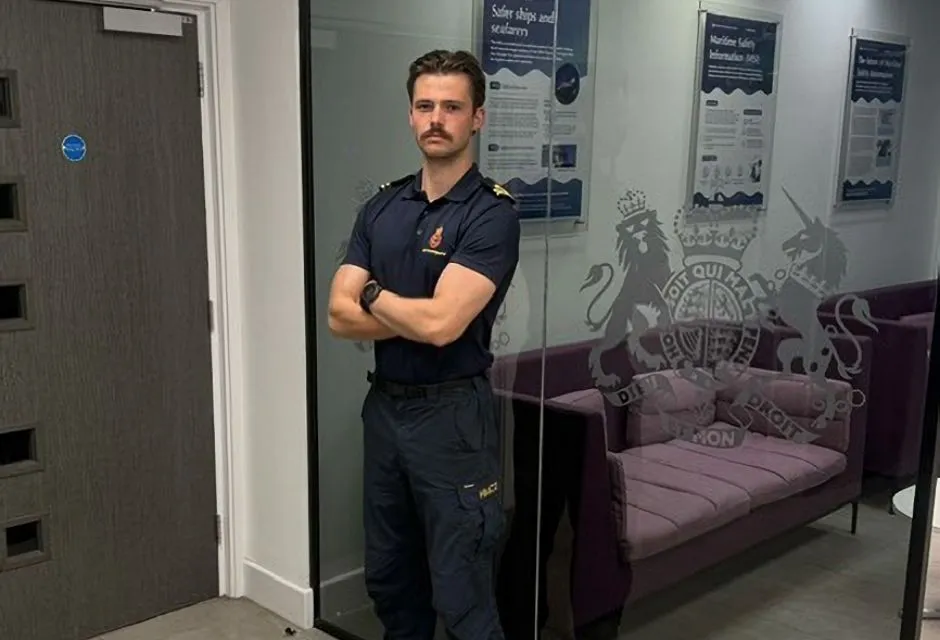
“I’ve been a Coastguard for just over five years now,” says Ben, who works at HM Coastguard’s Joint Rescue Coordination Centre (JRCC) in Fareham.
“I kind of stumbled across the role really, to be honest. I’d just come out of education and I was looking around on civil service jobs. I came across an advert for HM Coastguard and I thought, “I can do that”.
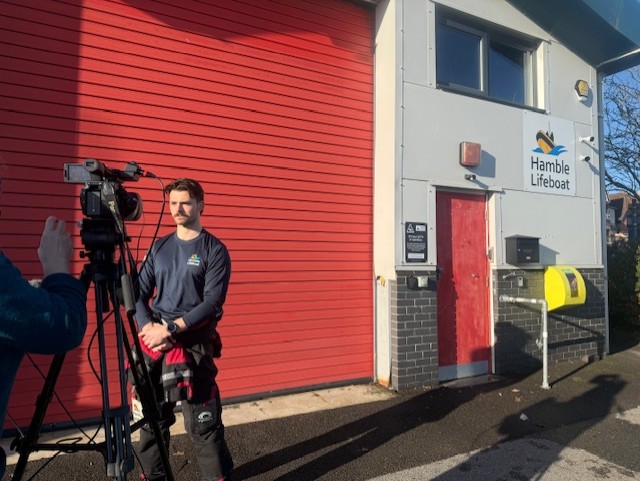 With a maritime background and a love for the sea, Ben’s affinity with the water matched well with some of the skills he now uses every day as a Coastguard.
What is the most unusual incident you’ve worked on/coordinated?
The first that comes to mind is a long-range job which came about in Ben’s first year. “I think I’d only recently qualified in June or July, and this incident would have been later on that year,” he says.
“I was still learning the ropes at the time, and there was a vessel in the Gulf of Oman that was sinking. It was passed to us as a search and rescue job, and I remember we had to coordinate it, diverting a US Navy ship to rescue the crew.”
“It’s very rewarding to know that from our Ops Room, we can be a cog in a rescue effort saving lives thousands of miles away.”
What is the most challenging part of your role?
“It’s not so much the volume of incidents as it is the level of involvement and depths to which we go to for each,” says Ben.
“For example, if you’re a Search & Rescue Mission Coordinator (SMC), you have responsibility for all of the incidents in your ‘patch’. There can be several complicated incidents in distress phase at the same time, and there will be a lot of work to do when you’re coordinating them.”
 The other aspect is being able to put down headsets and separate themselves from the jobs still going on as another team, or ‘watch’ takes over. “You could be working ten hours on a particular coastline or incident, but when the shift end comes, you’ll need to be out of the door for the next watch to take over,” he says.
Which local beach is your favourite and why?
“Just beyond Titchfield Haven Nature Reserve there’s a beach called Brownwich, and that’s my local,” says Ben.
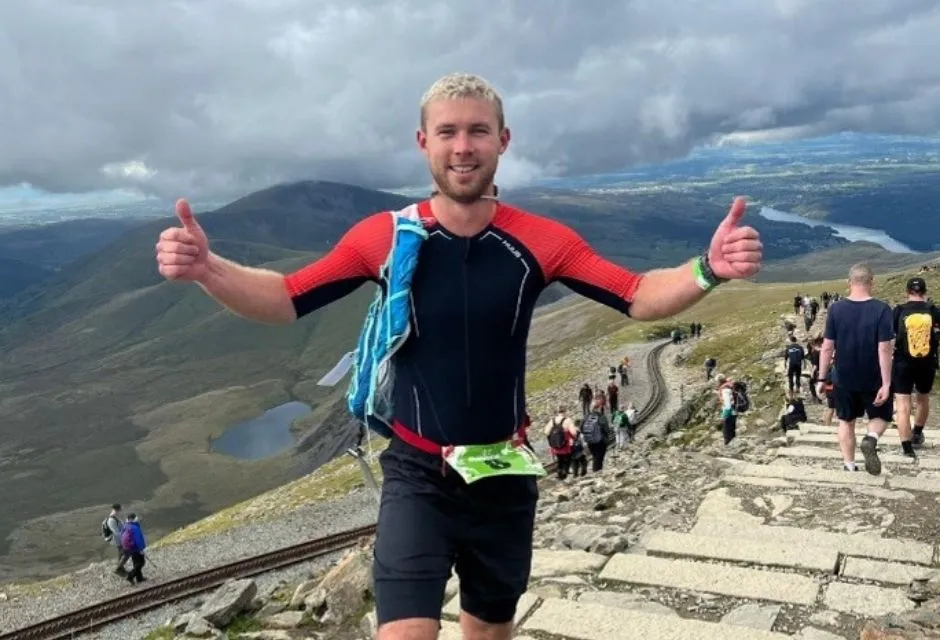
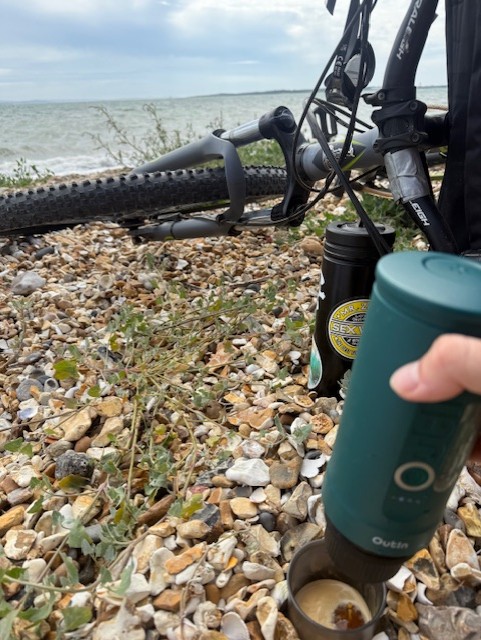
“My parents live just down the road, and my house is just a mile beyond that. Most days in summer and sometimes in winter, or on my lunch break when I can,, I run or ride my bike down and go for a swim and coffee on the beach. It’s just a little ritual that I do.”
What do you enjoy most about being a member of the team?
“I think it's going to be a bit cliche, but really it’s the variety and the kind of diversity of what everyone brings to our work,” Ben says.
“Everyone has different backgrounds. We've got some professional mariners, we've got ex-military, we've got lifeboat crews and Coastguard Rescue Officers, all sorts of people. Everyone brings their own kind of unique capability.”
And it’s that diversity of knowledge and skills that helps Coastguards to problem-solve, think critically and share expertise. “Someone pitches in and then someone else comes in with their abilities and thinking,” he says.
“If you saw us in a Pub Quiz team, nobody would think we’d fit together but in the Ops Room, it does make a big difference and we all gel.”
 What does being a Coastguard mean to you – are there essential lessons/tips/skills you’ve picked up?
It's a bit intrinsic to the role, but I very much like the idea that I'm serving the public and helping them. I'm using my expertise and my profession to protect the public when they need it most, and that's quite a nice feeling.”
And as soon as he qualified as a Maritime Operations Officer (MOO), Ben says he was thinking about the next opportunities at HM Coastguard, including his training as an SMC.
“Becoming an SMC is in many ways the culmination of your work in operations, but there are other opportunities across the Coastguard too, like attending emergency services courses, specialisms, and deployments across the UK. I was lucky to work as a Team Leader in our London Maritime Rescue Coordination Centre (MRCC) for a year, for example.”
When you’re not working, what do you enjoy doing?
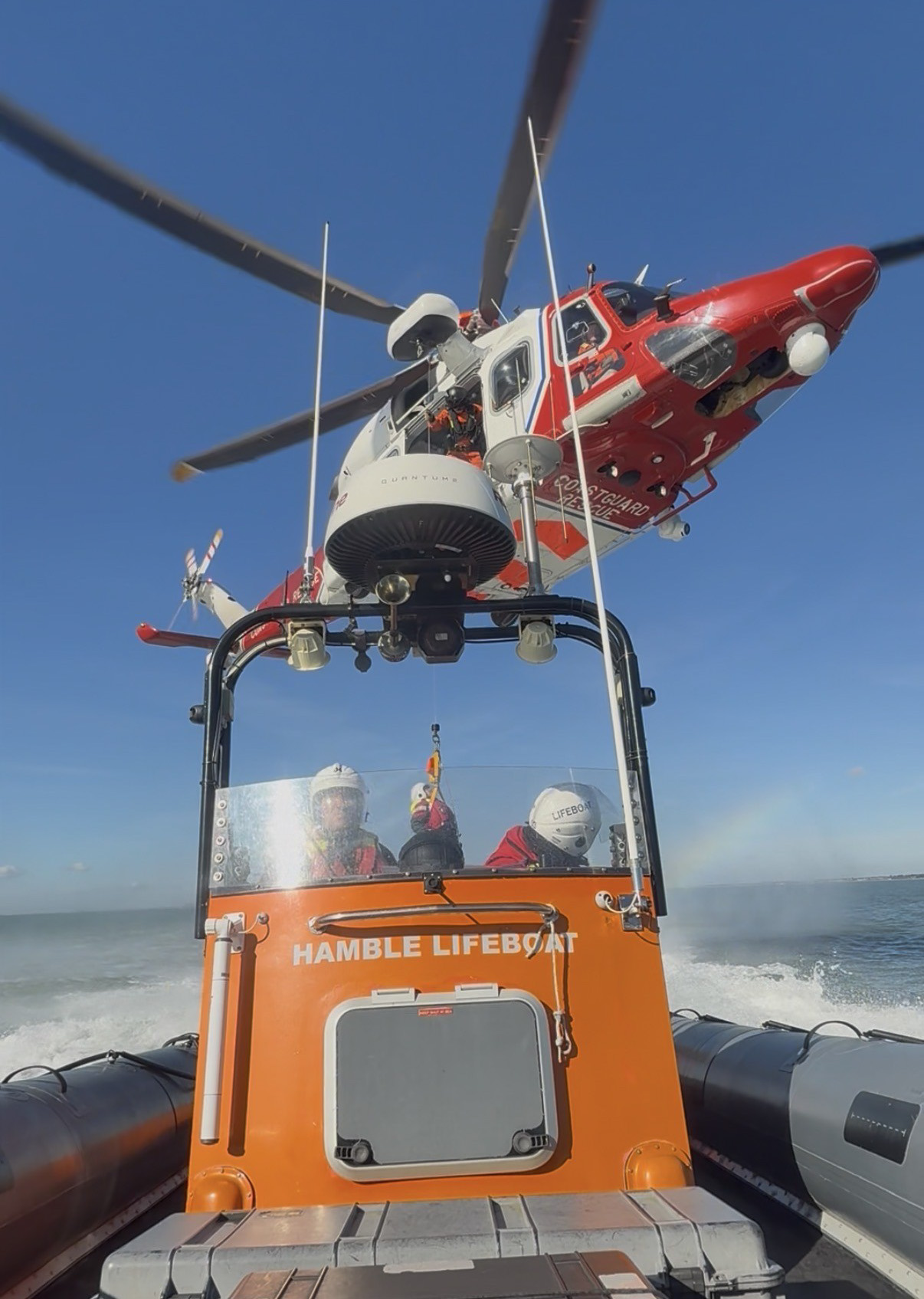
Perhaps it’s not much of a ‘switch off’, but Ben enjoys volunteering for his local lifeboat. “It’s just really good to be able to see the other side of what we do, there’s that flip where I’m an asset being tasked, rather than tasking an asset from the Ops Room!”
Being an independent lifeboat station, Ben’s time is often taken up with elements of fundraising and raising awareness of the lifesaving work he and his crewmates do among his local community.
“We’re quite a small village and it’s a really big community effort to maintain the lifeboat, to keep it working and supported. That’s something that’s quite important to me.”