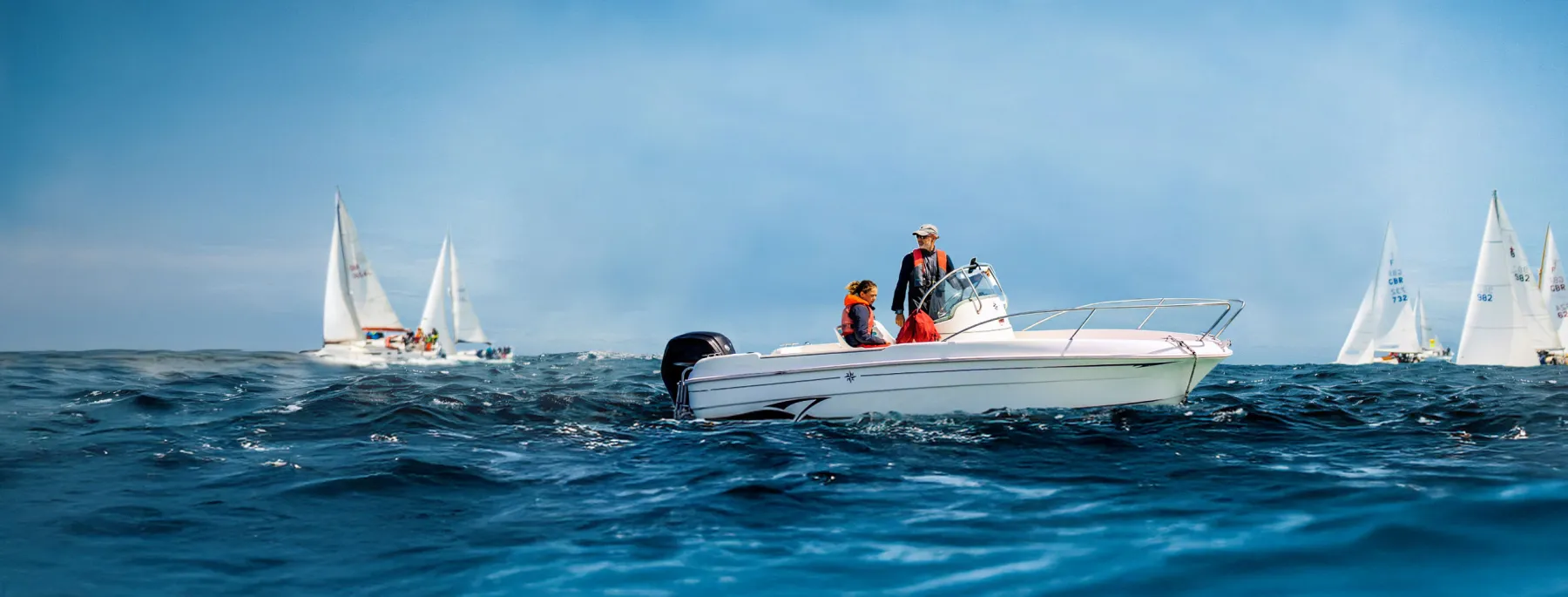
Two people are out on the water on a leisure vessel. They are both wearing orange personal flotation devices.

Recreational boating safety

Recreational boating safety

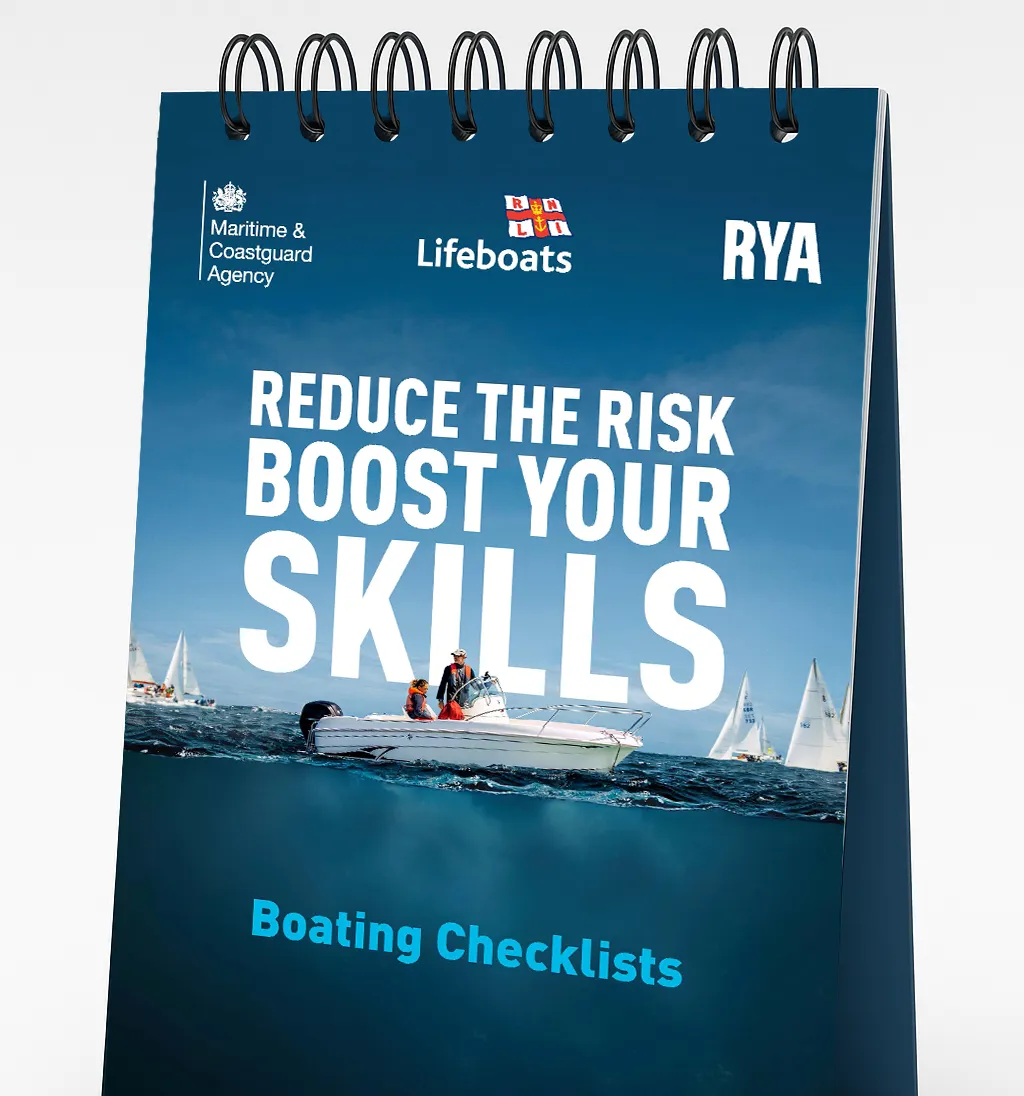
'Reduce the risk, boost your skills' campaign

Recreational boating is a common activity which leads to incidents requiring Coastguard assistance, many of which could be preventable with the proper maintenance and safety checks.

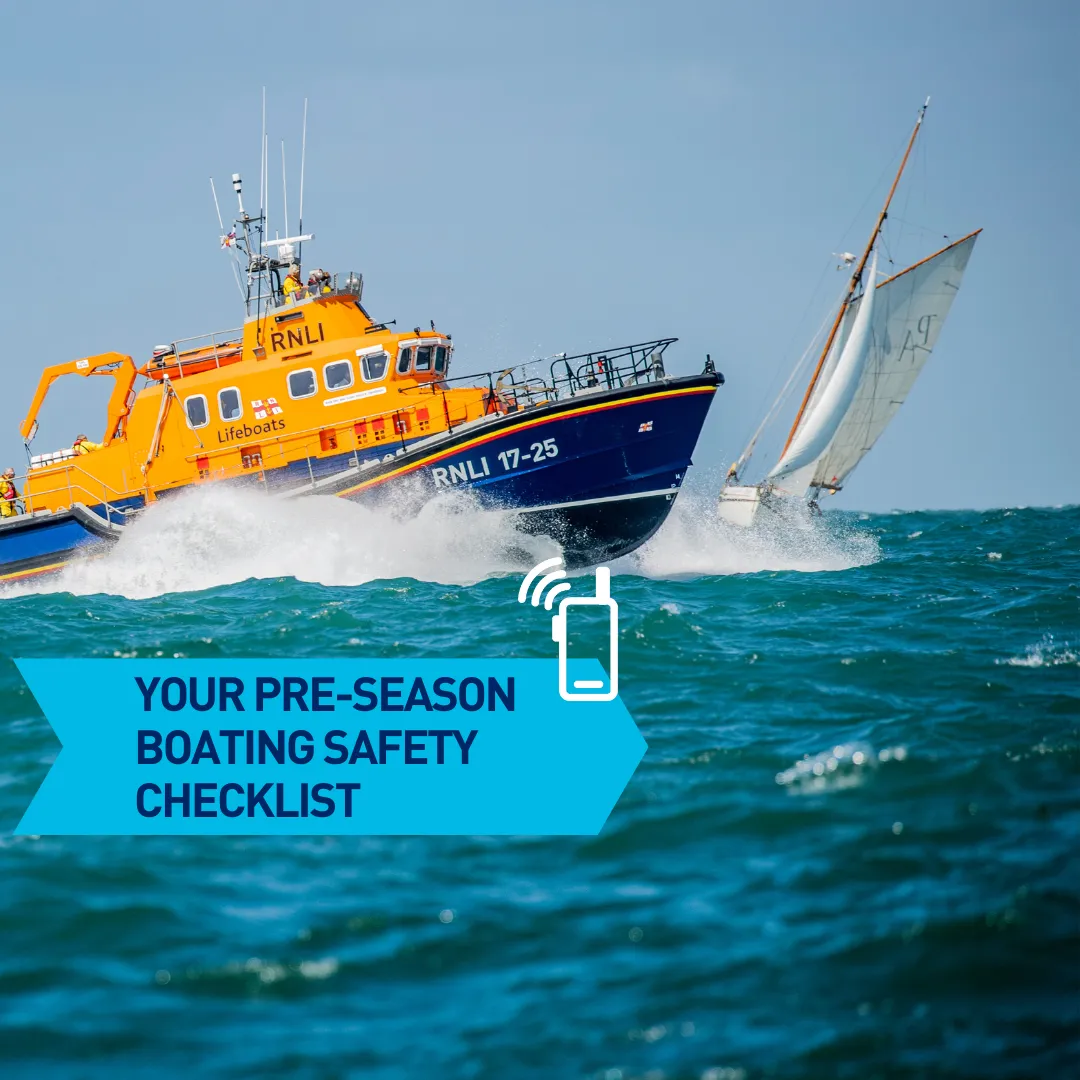
HM Coastguard has now teamed up with the RNLI and the RYA for a joint safety campaign, encouraging the recreational boating community to 'reduce the risk, boost your skills', in an effort to bring down the number of these incidents.
Follow the Checklist with our crew

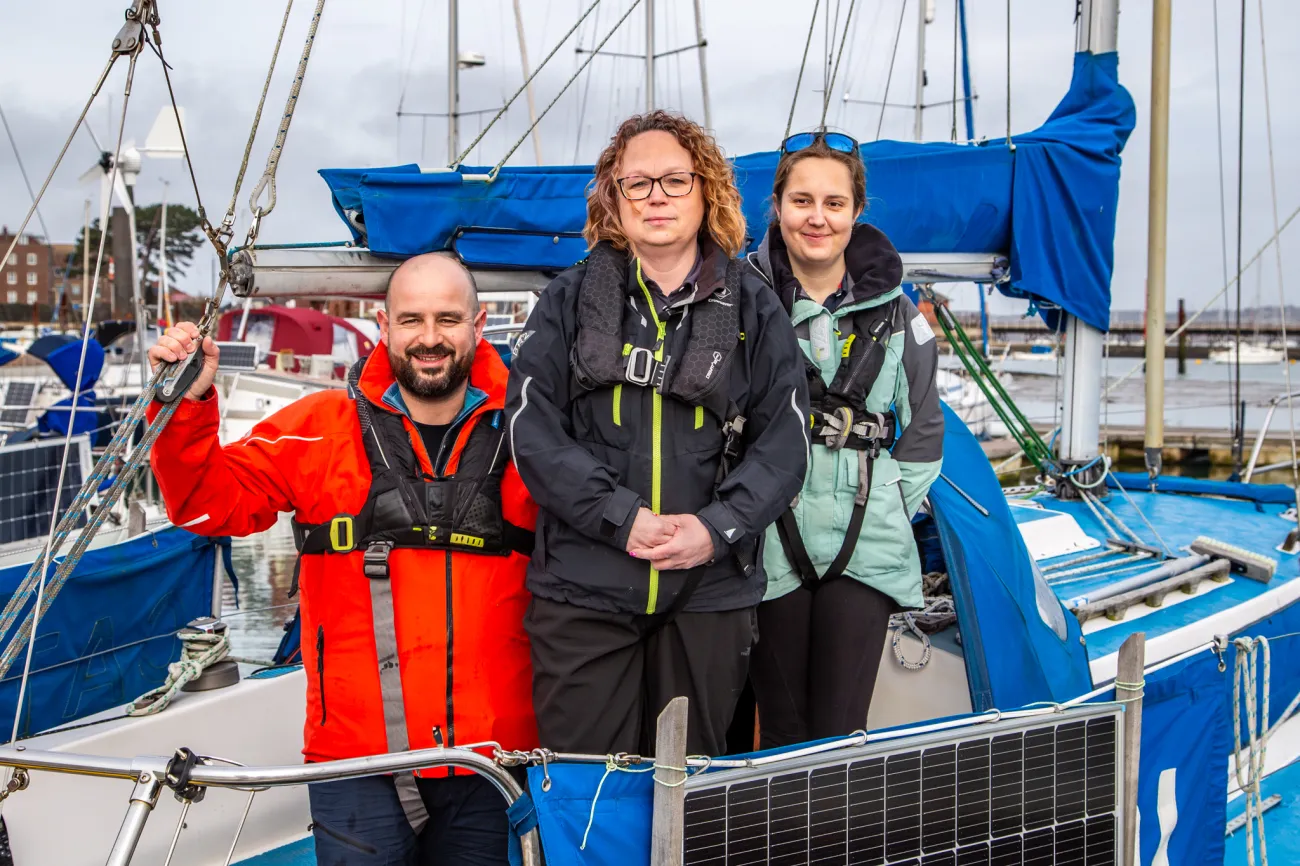
Join Coastguards and boaters Alice, Tom and Megan as they talk through preparing your boat for the coming season.

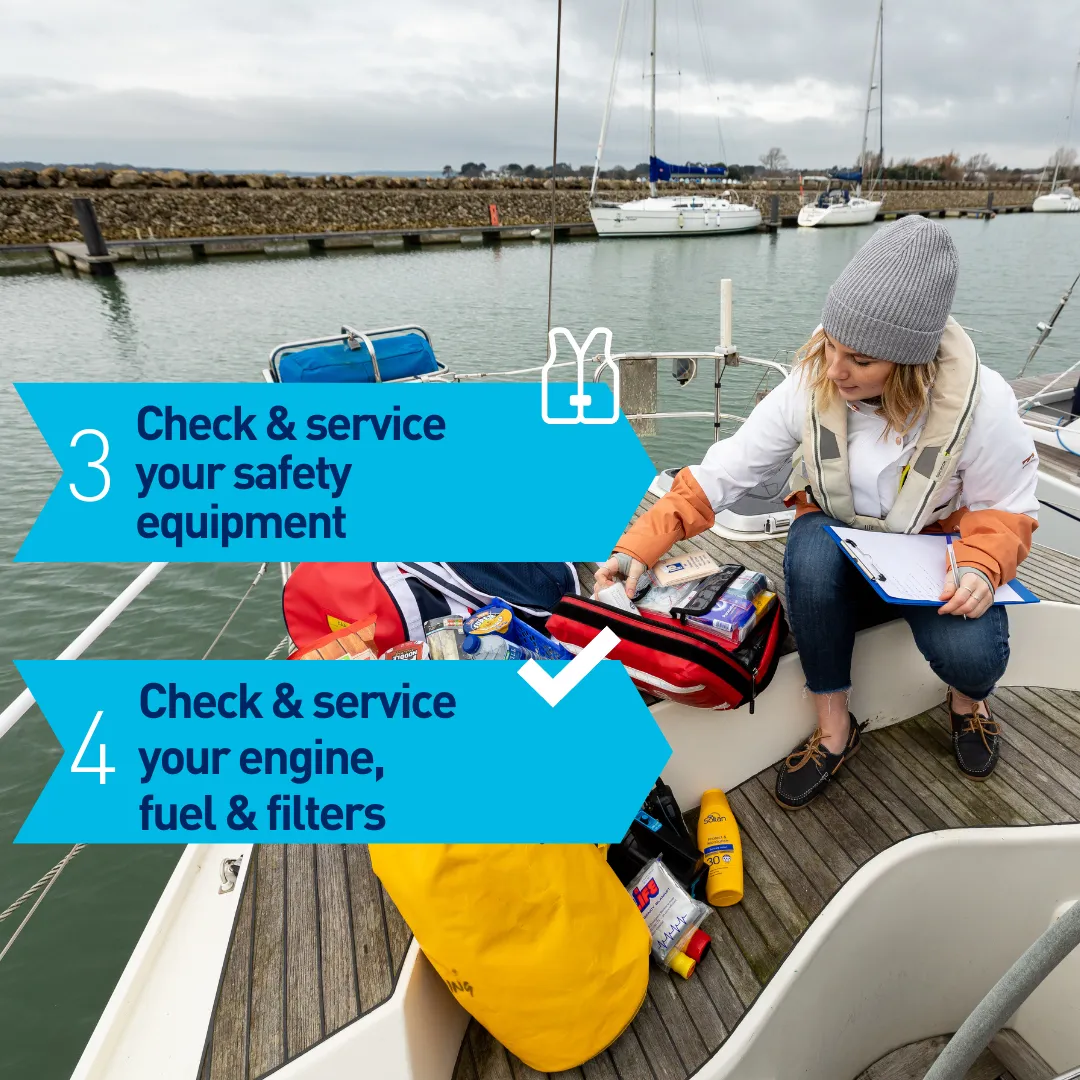
Follow our free-to-order Boating Safety Checklist with the crew as they discuss pre-season checks, weather forecasts, emergency action plans and radio procedures.
Recreational Boating Safety Checklist video Watch now
Alice is an enthusiast boater and Coastguard

Meet Alice: recreational boater and Coastguard

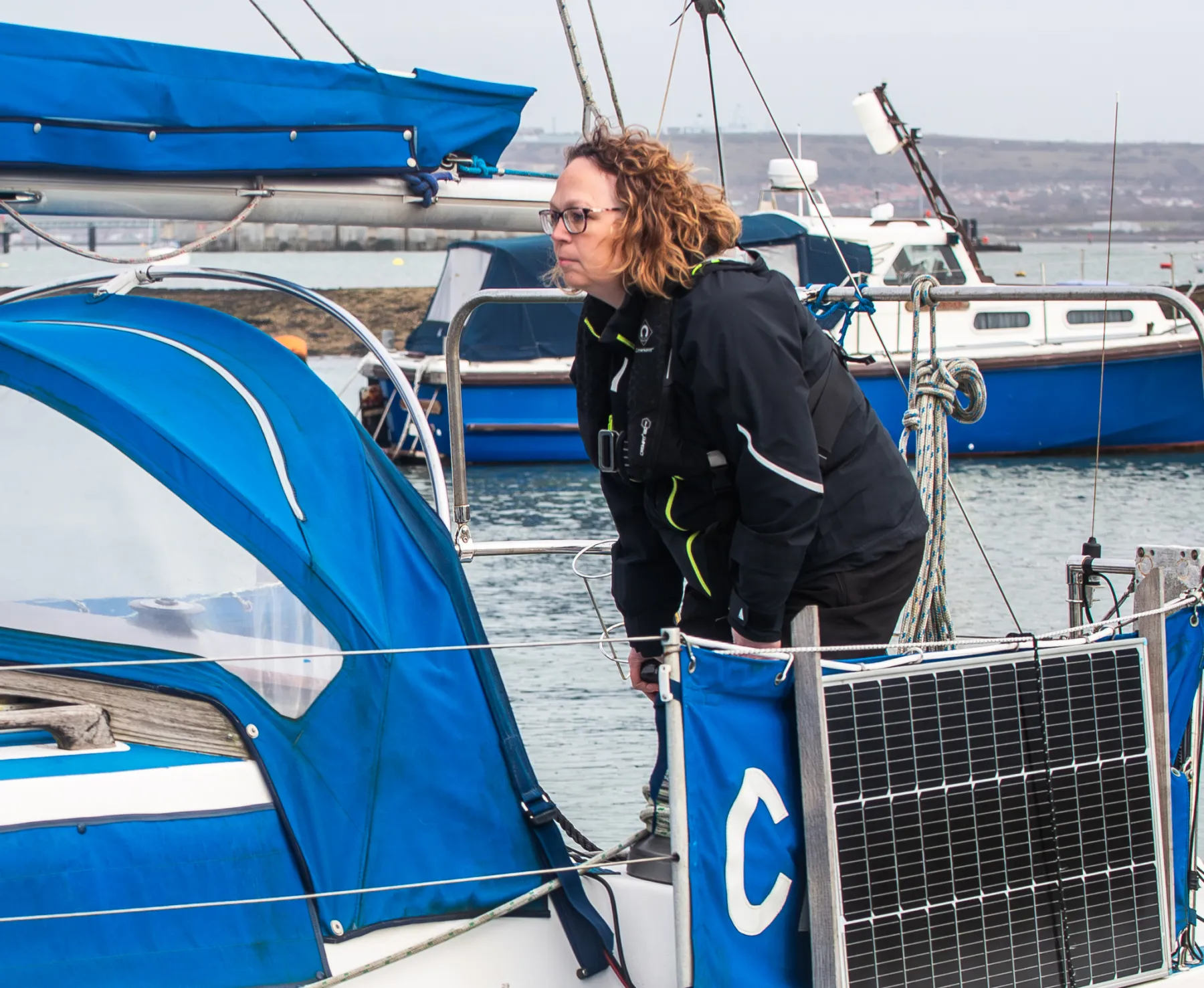
Enthusiast boater Alice is the proud owner of a 23ft sailing boat kept at Gosport. She’s also a Maritime Operations Officer for HM Coastguard.

“My husband Chris suggested we get a boat,” she says. “He’d done some basic sailing when younger and was keen to start again. After browsing online, we realised we’d need to properly educate ourselves before taking the plunge.”

Alice took tuition with a former Royal Navy veteran and quickly developed a passion for sailing. She completed her Day Skipper Theory Test and not long after applied for a role with HM Coastguard.

As someone who regularly responds to vessels in distress, Alice emphasises the importance of properly registering safety devices. She says: “It’s easy to forget, but my advice for lifesaving equipment is register straight away with the latest information."
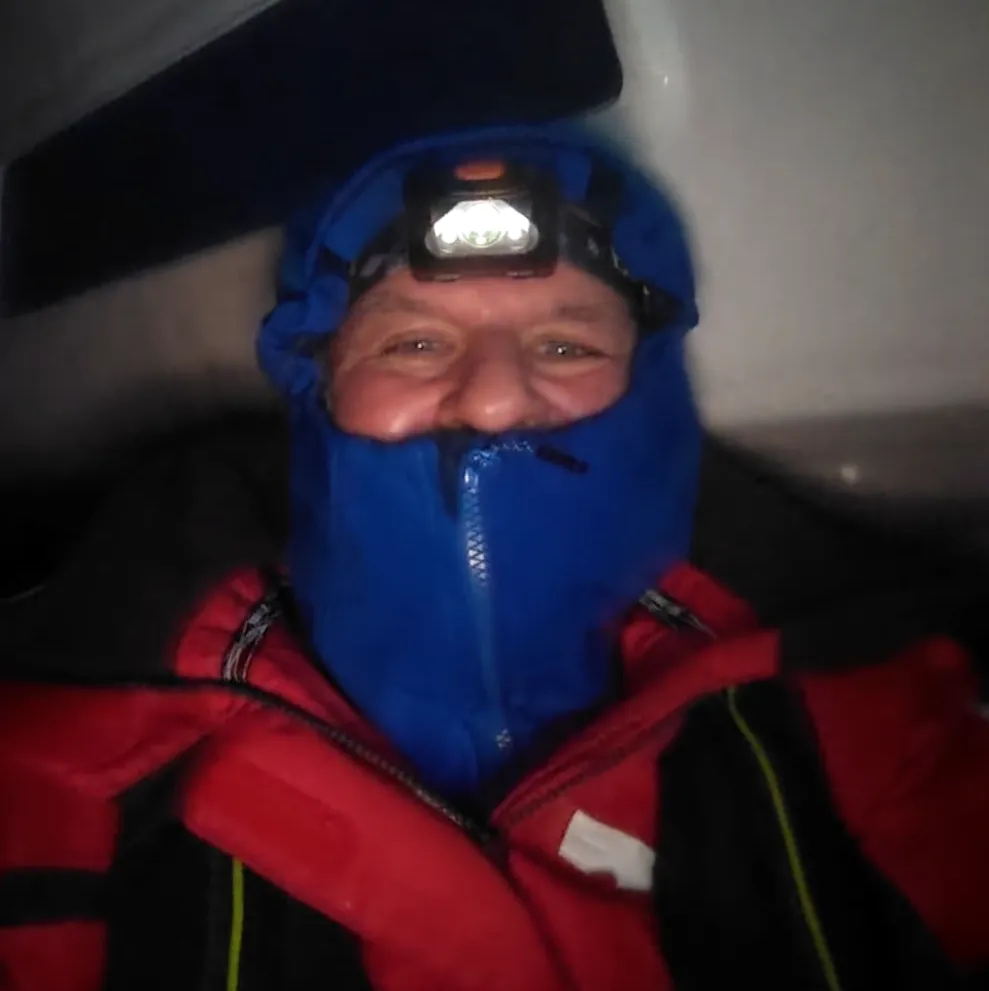
Max aboard his vessel after an engine failure at sea

When a maiden voyage becomes a Mayday: a solo sailor’s worst trip

Solo boater Max found himself hanging overboard in six-metre seas after a vessel machinery failure aboard his 30ft yacht.

“The forecast was 20 to 25 knots with winds coming from the east, which made for nice sailing under good conditions. But nature had other plans,” he said.

Collecting the vessel from Swansea, Max’s trip was cut short by an engine failure and water below deck. Calling the Coastguard, a lifeboat was sent to help, but the budding sailor was suddenly thrown over the side of his newly purchased vessel.

Thankfully, Max’s thoughtful and sensible planning meant he was well-prepared for an emergency, with lifejackets, EPIRBs and additional safety lines all playing a part in his safe rescue.

He said: “I can’t contemplate how differently things may have been without help. I lost my boat, but I didn’t lose my life.”

HM Coastguard's top tips for staying safe on the water:

  • Register your personal locator beacon (PLB) and emergency position indicating radio beacon (EPIRB) so HM Coastguard can easily locate you in an emergency
  • Check the weather forecast and tide times before setting sail
  • Make sure your vessel is maintained correctly and in good condition before heading out
  • Wear a lifejacket or personal flotation device (PFD) and ensure that it is regularly serviced
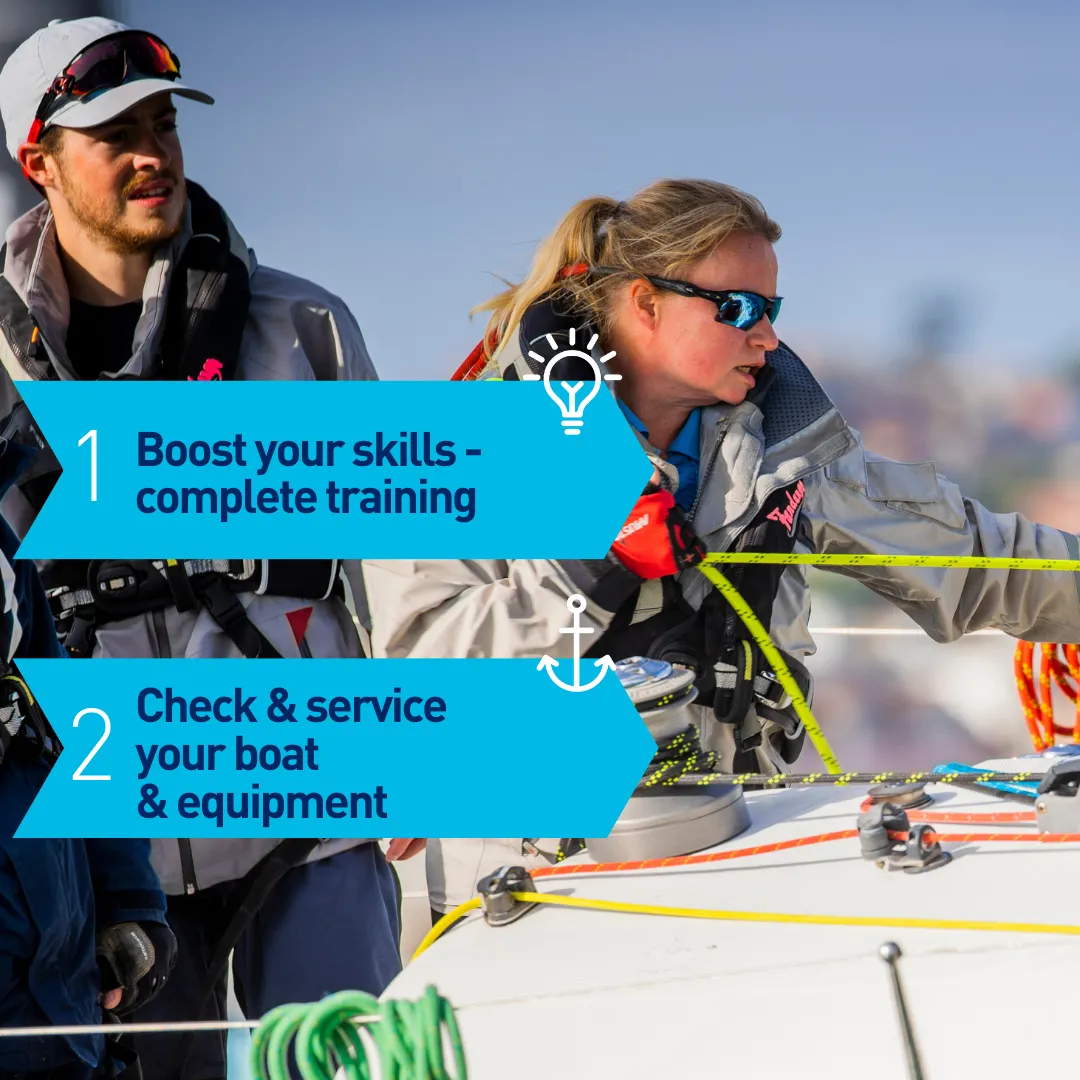
  • Consider a training or skills refresher course to boost your knowledge
  • Let others know your plans, where you’re going and when you’ll be back
  • In an emergency, call 999 and ask for the Coastguard

Sailor rescued thanks to personal locator beacon

A sailor who broke bones in 13 places after falling during a solo voyage in rough conditions was rescued with the help of his registered personal locator beacon (PLB).

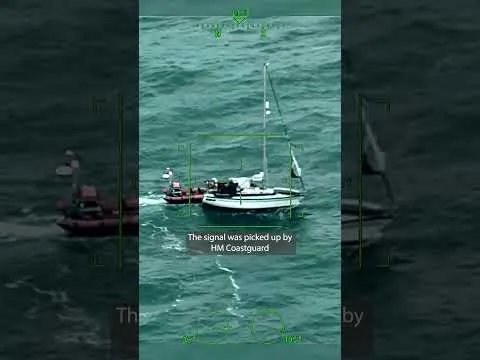
When activated, the signal was picked up by HM Coastguard's Joint Rescue Coordination Centre, who then deployed RNLI lifeboats to bring him safely back to land.

Richard spent the next nine days in hospital recovering from his injuries.

The incident demonstrates the value in carrying a registered beacon, as well as ensuring your vessel is maintained correctly and fit to go out to sea.
Watch now

Our onboard safety advice will keep you prepared for various situations to help ensure everyone returns home and dry.

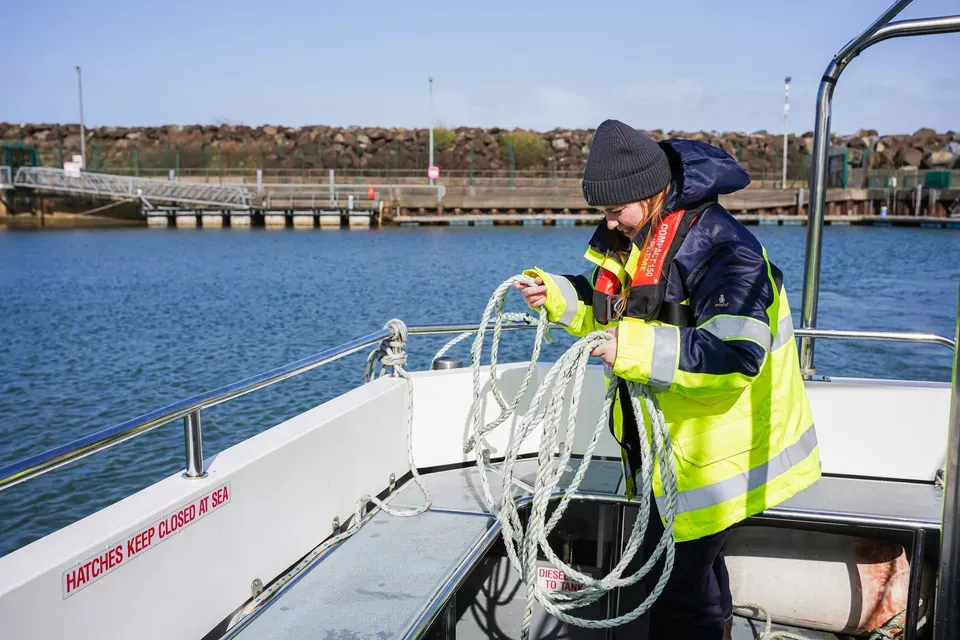
A woman onboard a vessel wearing a personal flotation device
Report a problem with this page

Help us improve hmcoastguard.uk

Don't include personal or financial information like your National Insurance number or credit card details.