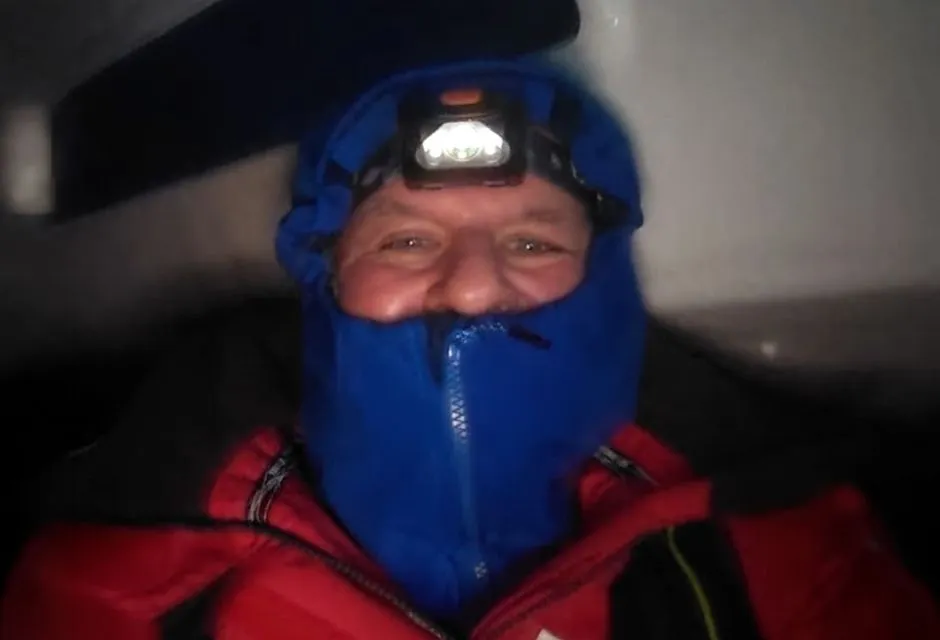
Self-described recreational boater Max felt prepared as he embarked upon a challenging yet fun voyage from Wales to Scotland aboard his newly purchased boat.
 His chosen vessel, a 1975 Carter 30, had been well cared for by its previous owner and came complete with dual autopilots, AIS, EIPRBs and a DSC VHF radio. But the safety conscious former Helicopter Winch Operator and Forces veteran also double-checked the engine and auxiliary equipment, and fitted safety features including extra lines, hooks, and jackstays.
He then checked multiple weather reports and satellite imagery before setting off, with contingencies and additional stops planned in, should there be unexpected problems. Max also provided tracking links and schedules to his friends at home.
“The forecast was 20 to 25 knots with winds coming from the east, which made for nice sailing under good conditions. But nature had other plans,” he said. Shortly after entering the Bristol Channel, rising winds marked a more challenging trip, with unexpected gale warnings and strong gusts of up to 40 knots.
Amid the harsh and confusing sea states, the vessel’s engine faltered. A coolant hose had become detached, destroying the boat’s impeller and overheating the engine. When smoke filled the engine compartment, he shut the engine down, but Max soon discovered about 200 litres of black, sooty water below deck.
Despite the wet and acrid conditions, he used his hand-held bilge pump to drain half the silty water and improve stability, but the vessel’s interior was slippery and wet, presenting additional danger as the boat rolled in the heavy seas.
Tired and drained, Max reassessed the situation. “I didn’t want to enter Milford Haven at night as I wasn’t familiar with the Vessel Traffic Separation Scheme (VTS) there,” he says. “I really didn’t want to be in a rescue situation in total darkness.”
As daytime rolled in, he decided to call for help while he still had power, communications, and some control of the boat. He called Pan-Pan on his VHF radio but received no answer.
Setting off the DSC function on his VHF radio, Max held onto his survival ‘grab bag’ and flares, a Search and Rescue Transponder (SART), and a life raft he kept in the cockpit.
 “As a failsafe, I called 999,” he says. “The Coastguard was patched through and asked about my speed, drift, and any injuries. Later I learned that my friends, who were tracking me, had also raised the alarm.”
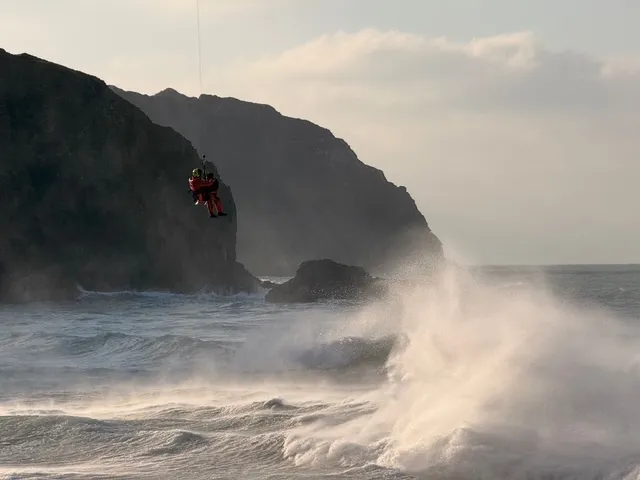
Angle RNLI lifeboat arrived and it was agreed that a tow would be the best option, but conditions remained severe and with six-metre waves, the setbacks continued.
While still under tow, a violent wave sent Max flying into the cockpit, injuring his back. Regaining control at the helm, another big wave rolled the vessel over, and he was tipped into cold water that flooded the cockpit. Thankfully, he was still attached to the boat by his safety line.
Spotting the situation, the RNLI crew returned to the tilting boat. “It was like something out of an action movie,” recalled Max. “My hearing was impaired by my jacket which had risen around my ears, the waves were crashing over our heads, and my feet were slipping against the boat’s propeller.
“The crewman cut me free and inflated my vest, so I was able to kick away from the vessel and be pulled on a line back to the lifeboat, where crew heaved me aboard.”
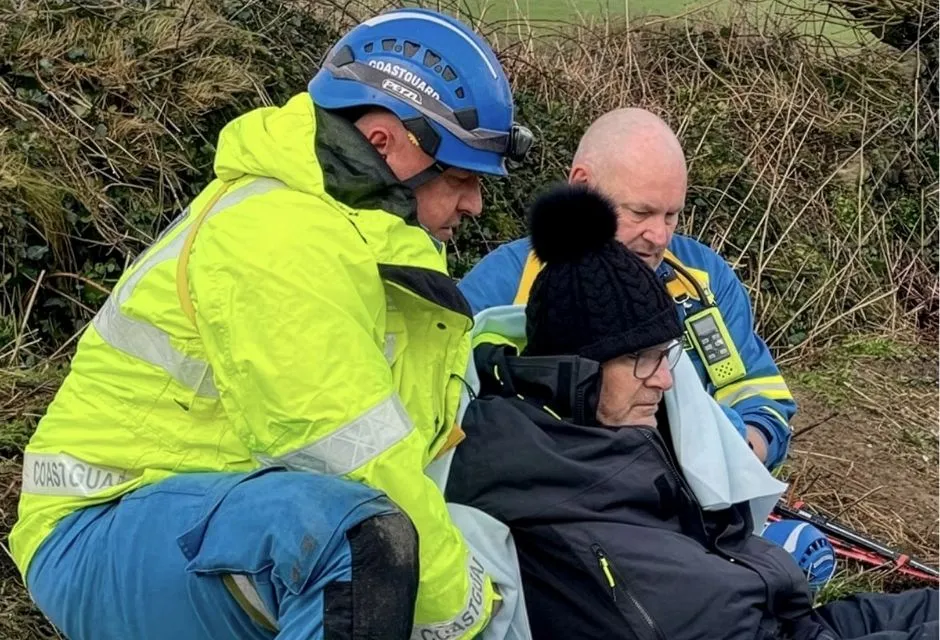
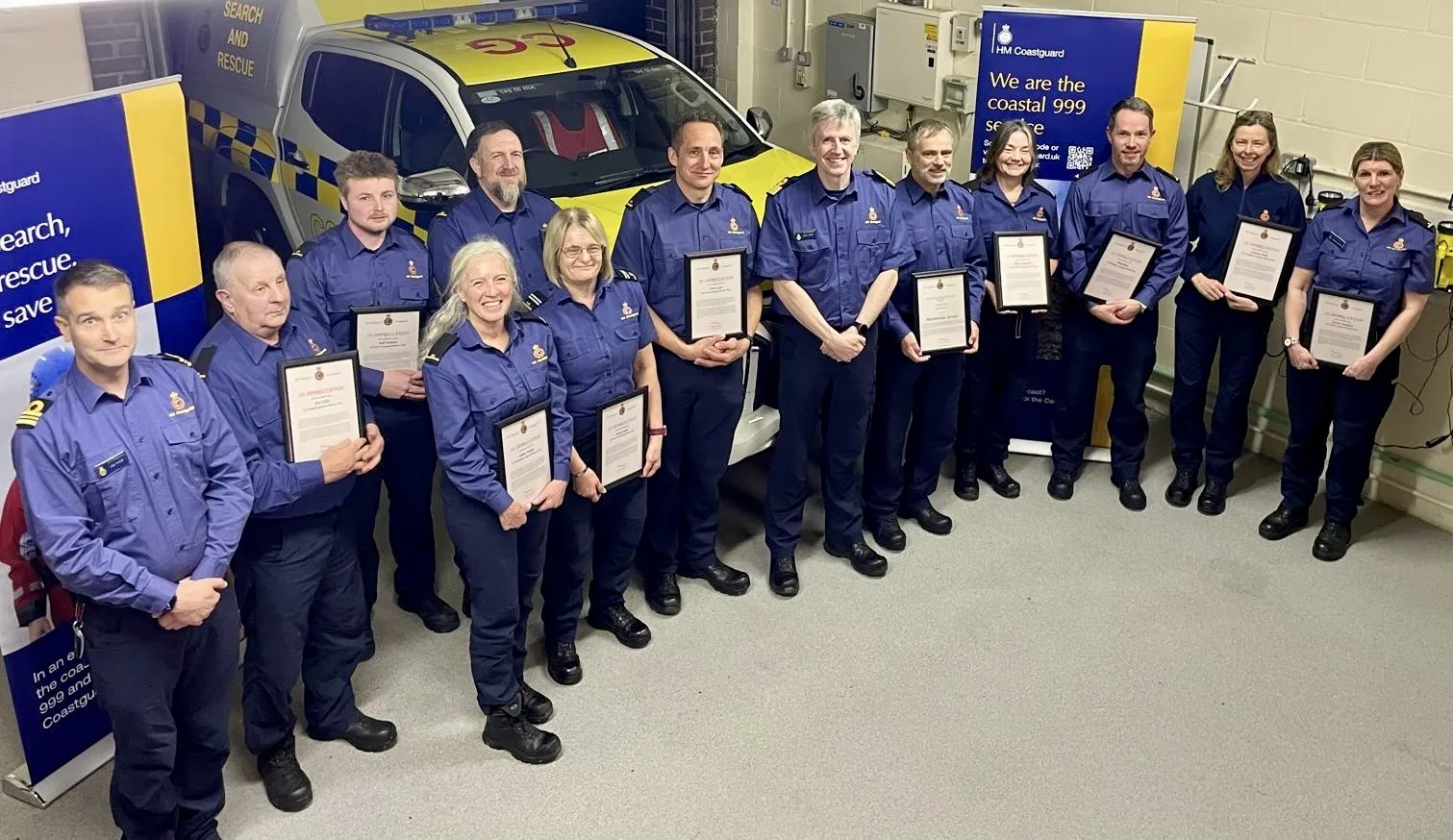
Max recognises the immense bravery of the lifeboat crew, putting themselves in harm’s way to leap across vessels amid strong winds and waves. He says: “It was just fight or flight really, but I am forever grateful to HM Coastguard and the lifeboat crew, who showed such skill, compassion, and humanity.
“I can’t contemplate how differently things may have been without their help. I lost my boat, but I didn’t lose my life.”
Max’s top solo sailing advice
- Prepare early and properly. Safety equipment only helps if it’s fitted, tested and ready before you leave.
- Wear your lifejacket correctly and fit cleats, hooks and lines today, not tomorrow. Do they work? Test them thoroughly.
- Stay calm and think methodically. Panicking wastes time and energy. make well-considered and deliberate decisions for worst-case situations that you’ve thought through beforehand.
- Think about communications. Electric items and engines can fail, so have backups. Carry a mobile phone, a VHF radio, and other items like SARTs, EPIRBs and PLBs. Keep what you can on your person.
- Advise others of your plans, routes and timings. These crucial people could raise the alarm if you’re unable to.