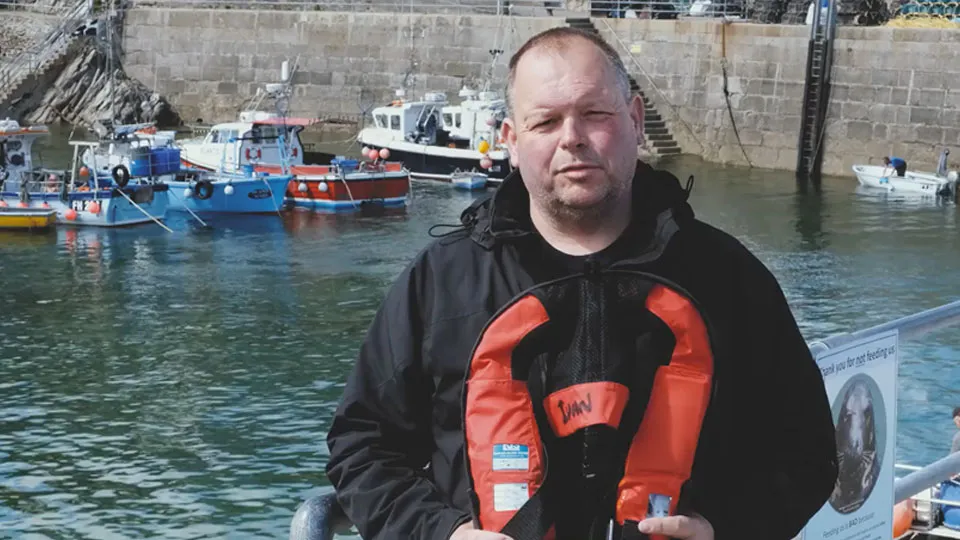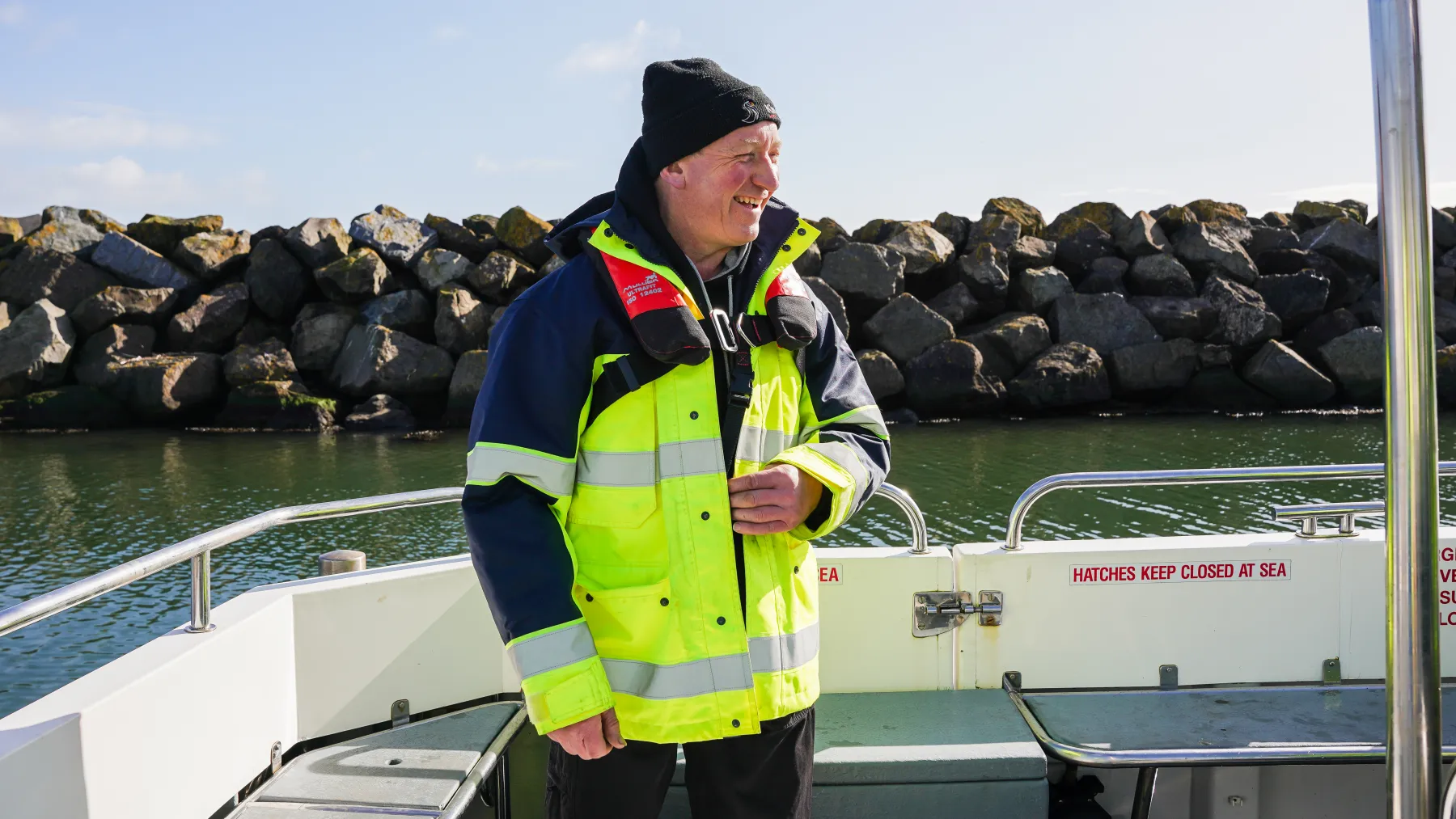





A man onboard a vessel with a hi-vis jacket and personal floatation device

Safety onboard

Onboard safety

Onboard safety tips:
Tip 1
Wear a Personal Flotation Device
Always wear a lifejacket or suitable buoyancy aid to help keep you afloat
Tip 2
Use Channel 16 in an emergency
Contact the Coastguard via a Mayday distress alert using a marine Very High Frequency (VHF) radio
Tip 3
Register your beacon
Carry a 406 megahertz (MHz) beacon and make sure it's registered with the Coastguard
Tip 4
Hone your skills
Find out about available training and qualifications to ensure you are safe and confident onboard
Tip 5
Conduct regular checks
Make sure you regularly check your onboard and personal equipment, such as lifejackets or the vessel's engine
In an emergency at sea send a Mayday distress alert on Channel 16
Boat illustration

Stay sober when you're on the water

Alcohol and the water are never a safe combination. Just as drinking and driving a car can lead to life-altering consequences, so can mixing alcohol with operating a boat or any watercraft. Look after each other and act responsibly — if a friend has had too much to drink, ensure they get home safely and never let them take control of a vessel. Alcohol impairs judgment, reaction times, and coordination, all of which are critical for safe boating. Don't let your trip end in tragedy.

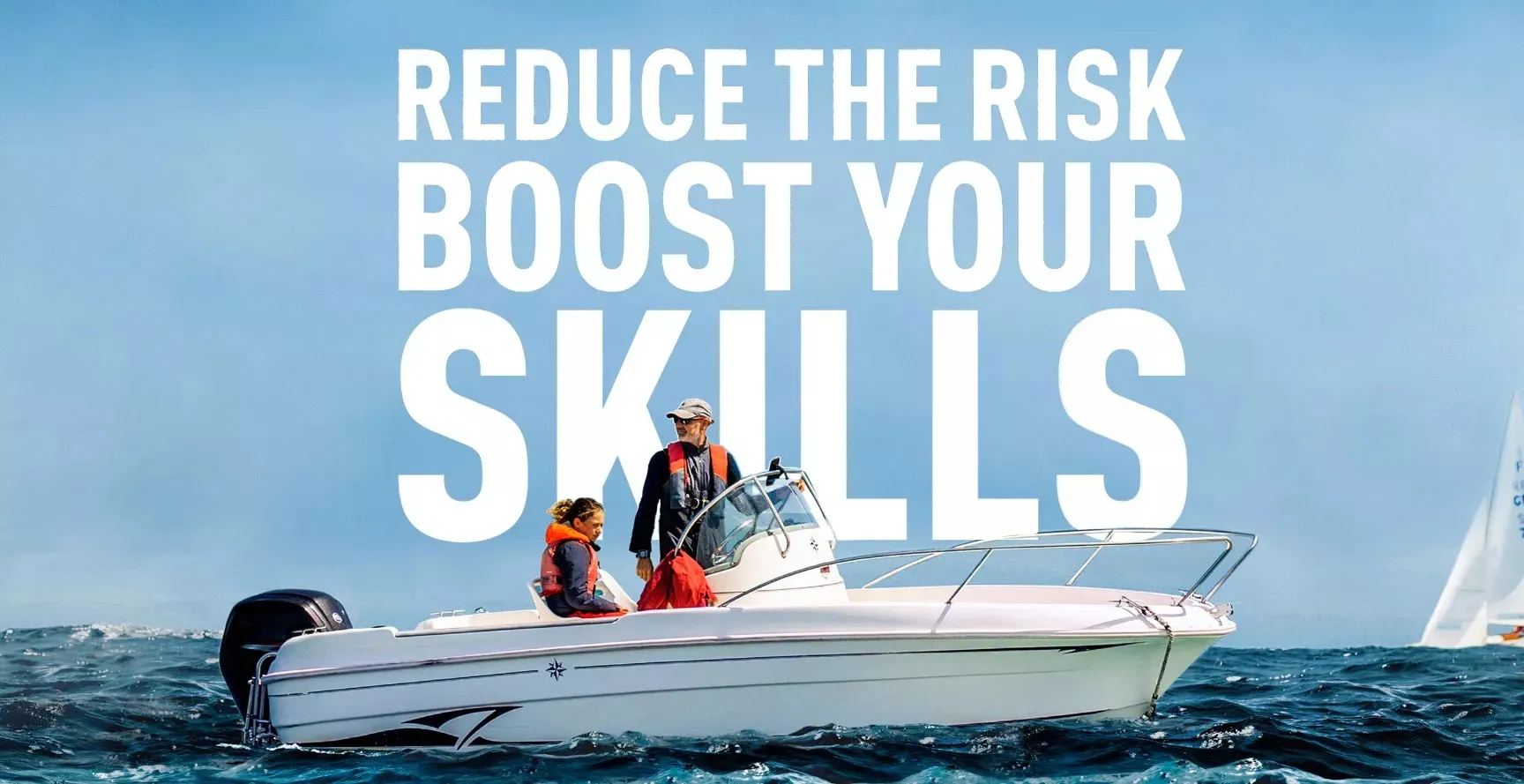
Reduce the risk, boost your skills
We've teamed up with the Royal National Lifeboat Institution (RNLI) and Royal Yachting Association (RYA) on an important safety campaign for boat owners to refresh their skills and help prepare vessels for the new boating season. If you are in the boating community, find out more about how to ‘reduce the risk, boost your skills’.
Two people wearing lifejackets on a small white recreational boat in the open sea
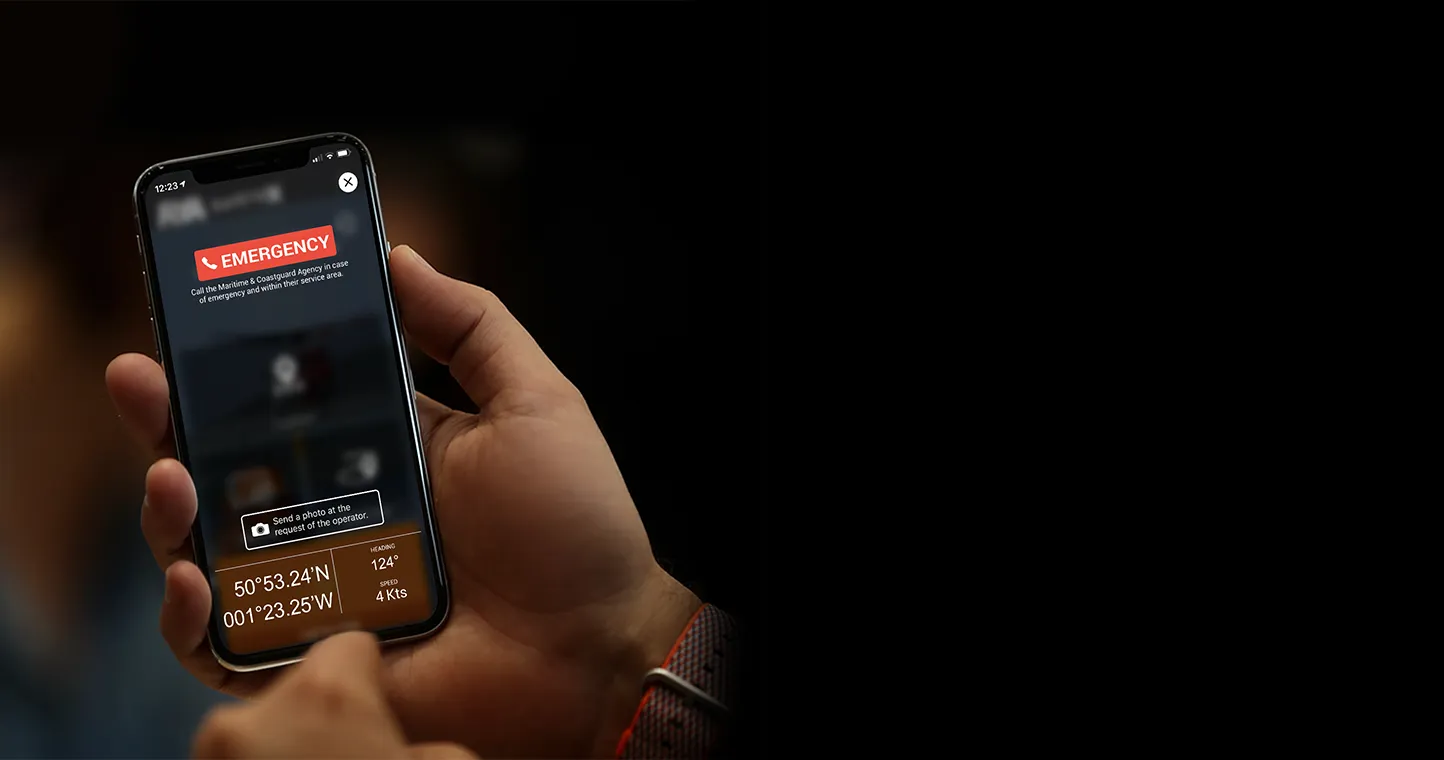
App on phone

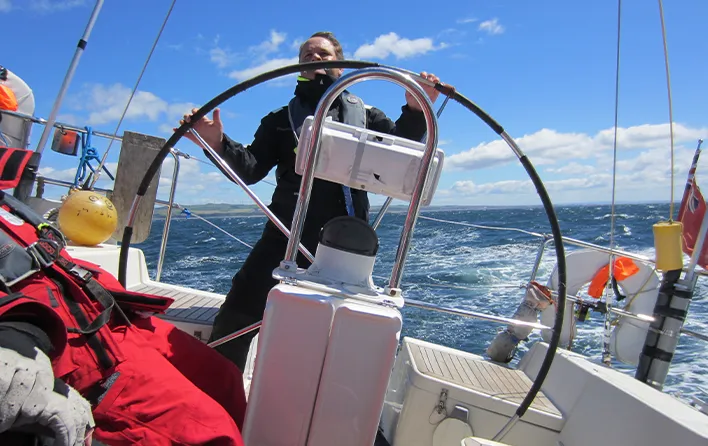
Motorboating

Motorboating can a be an exciting way to enjoy the UK coast, from small rigid inflatable boats (RIBs) to powerboats and motor cruisers. 


Reduce the risks:

  • Check the weather forecast and tide times before you leave home.
  • Wear a Personal Flotation Device (PFD) and make sure you are also wearing suitable clothing.
  • Always wear a kill cord if fitted and carry a spare.
  • Always carry a means of calling for help and ensure everyone on board knows how to use it.
  • Safety plans - we advise that you practice man overboard procedures with everyone on board and conduct a safety briefing.
  • Ensure your engine is well maintained, that you have enough fuel for your journey, and carry adequate tools and spares.
  • Ensure you pilot your boat at an appropriate speed to the environment and conditions.
  • Hone your skills - contact your national governing body, club or watersports activity centre to find out which training is best for you.
  • Understand rights of way - you must follow the International Regulations for Preventing Collisions at Sea (COLREGS) - a power driven vessel must give way to a sailing vessel unless the sailing vessel is in the process of overtaking it.
  • Tell someone else where you’re going and when you’ll be back. If you are late returning, they can raise the alarm by calling 999 and asking for the Coastguard.
Report a problem with this page

Help us improve hmcoastguard.uk

Don't include personal or financial information like your National Insurance number or credit card details.