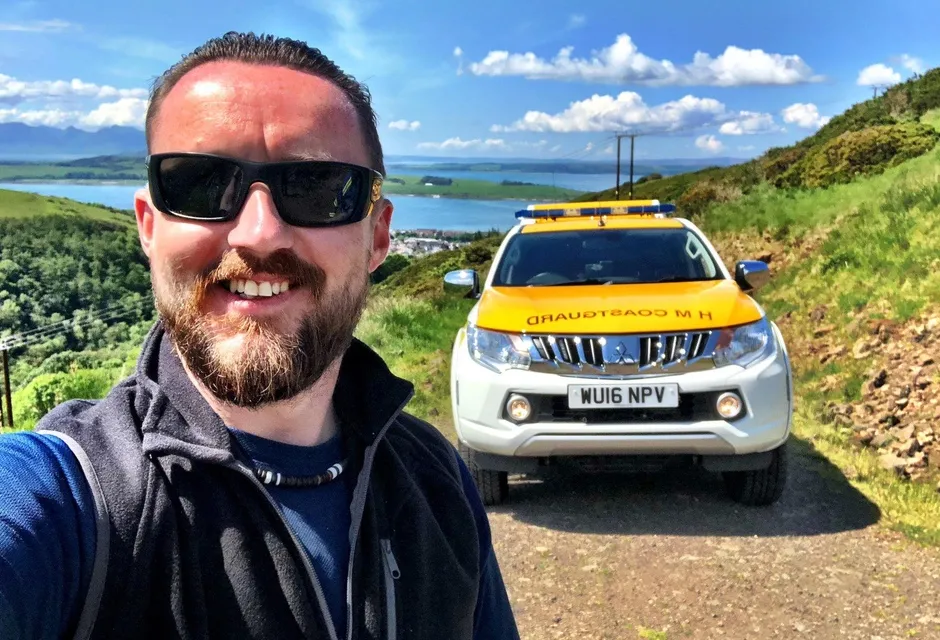
His photography skills can still be seen on his team’s Facebook page and often on the main HM Coastguard and Maritime and Coastguard Agency social media. And he’s the brain behind the Coastguardteam, the world’s smallest search and rescue rescue team.
On World Photography Day, he’s been talking about how to take a good picture while staying safe at the coast.
‘Go back ten years and I could happily wax lyrical about camera settings, depth of field, exposures and F-stops, but these days it doesn’t really matter as much as the majority of people taking photos when visiting the coast aren’t carrying thousands of pounds worth of digital camera, a collection of lenses and numerous accessories in a camera bag.
For most people their camera and their preferred piece of technology acting as the viewfinder into their adventure is their smart phone. We absolutely live in a point and click generation where for the most part, the phone inbuilt to the camera and the associated software churning away in overtime underneath the case, does most of the work. With just a click on an app and a touch of the screen, all of these things are instantly configured, calculated and adjusted to get the best result.
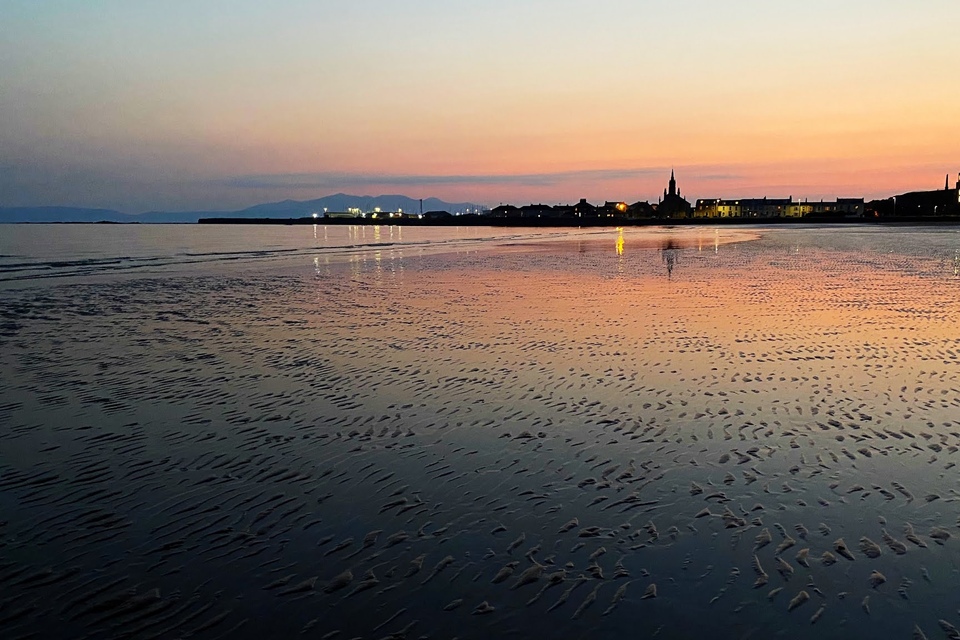
As clever as smart phones are – they can’t compose a great picture – and that’s the one secret I would say is the key to a great photo – the composition. A bit of extra time will turn your good photo in a great one.
So here’s my five key tips on composition:
1. The Rule of Thirds: You may have heard this over the years but it’s very much still applicable to the photos you take on your smart phone – especially if you’re taking scenic landscape photos at the coast. Placing the horizon in the middle of your photo makes for an uninteresting composition where neither the sky or landscape is emphasised. Using the Rule of Thirds balances the photo and can really lift your landscape photo if your visit to the coast.
2. Leading Lines: These are diagonal lines that naturally exist in a scene which help the viewers eyes move from one direction to another. Make sure these leading lines draw the viewer into your primary subject in your photo – the last thing we want is for people to be drawn away from the focus of your photo and looking at something else.
3. Reduce Clutter: You’ve framed your photo perfectly; the lighting is just right and you’ve got your ‘money shot’ on your phone to remember your family trip to the coast. As you walk away and look at your wonderful creation you then notice there’s a discarded flip flop, a broken bucket and spade and an empty carrier bag all lying in the sand! Nightmare! Be sure to take the time to check there’s no unnecessary clutter in your photo – even something small can be an instant distraction to people viewing it.
4. Contrasting Colours: A good way to make your subject stand out is by using contrasting colours. Our eyes naturally tend to move from dark colours towards lighter ones so when you’re framing that perfect sunset – keep this in mind and look for opportunities to build in this dark vs light contrast either through natural light or artificial light which may be available.
5. Creative Framing: The photo looking out of the beach is good but using the nearby rock formation to frame the photo lifts the picture from good to great. Framing is a great way to isolate your subject but just ensure the framing isn’t over the top and completely detracts from the focus of your image.
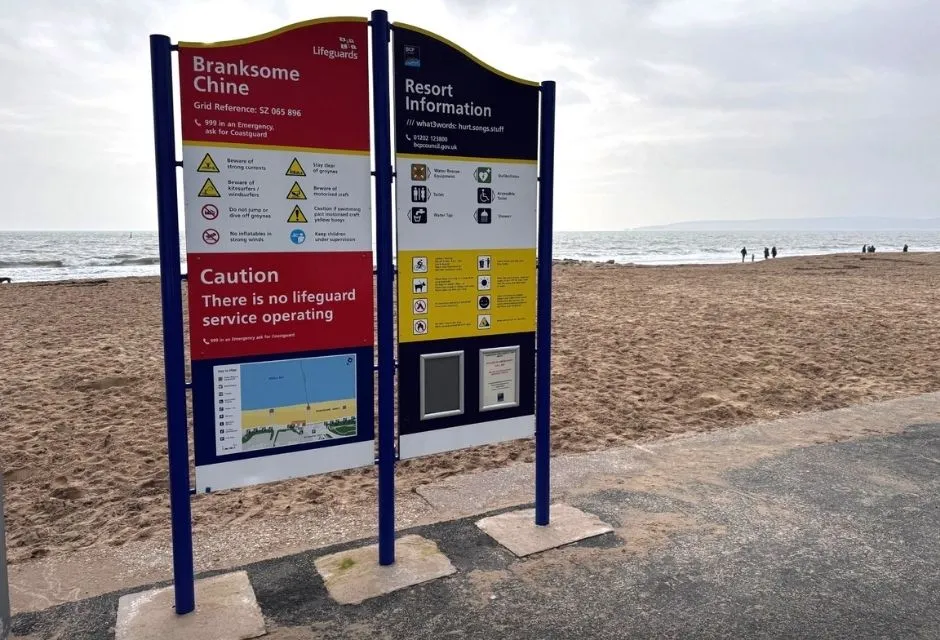
Taking photos at the coast however isn’t all about the framing and composition though – it’s also about making sure you stay safe and don’t put yourself at any unnecessary risk. With the phone now doing a lot of the ‘thinking’ for us it should be a bit easier to focus some of our attention on not getting caught out. If visiting a beach which you are unfamiliar with, always take the time to look out for any local notice boards or signs which will give warnings and information about local conditions or hazards.
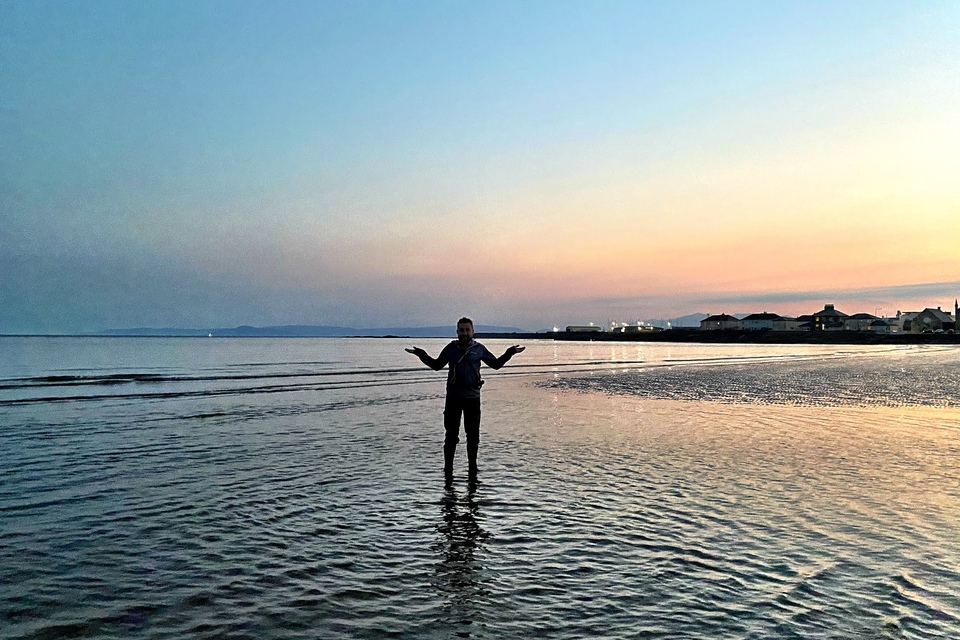
If there’s lifeguards on the beach or you spot the local Coastguard Rescue Team out on patrol it’s always worth taking the time to ask them where’s the best (and safest) place to get a photo as they’ll have the expert local knowledge. A bit of extra time to view the area and looking out for signs about where the incoming tide reaches is time well spent.
It is surprisingly easy to keep yourself when taking photos at the coast yet so many people get caught out each year. One simple step will make your visit to the coast one to remember for all the right reasons – not the wrong ones: be aware of your surroundings.
It can be very easy to get totally focussed (excuse the pun) and engrossed in taking your photos that you completely fail to notice the tide racing in behind you which will quickly lead to you getting cut off. As tempting as it may be, keep your headphones in your pocket as the last thing you want is to not hear someone shouting at you to alert you to the fact you’re about to be in danger, or worse still not hear someone shouting for help, all because you’ve got your music on loud.
My final piece of advice will ensure that you can play a significant part in helping keep yourself and others safe at the coast – and that’s making sure you #KnowWhoToCall in an emergency,
If you see someone at risk or in difficulty at sea or along coast don’t hesitate – always dial 999 and ask for the Coastguard.