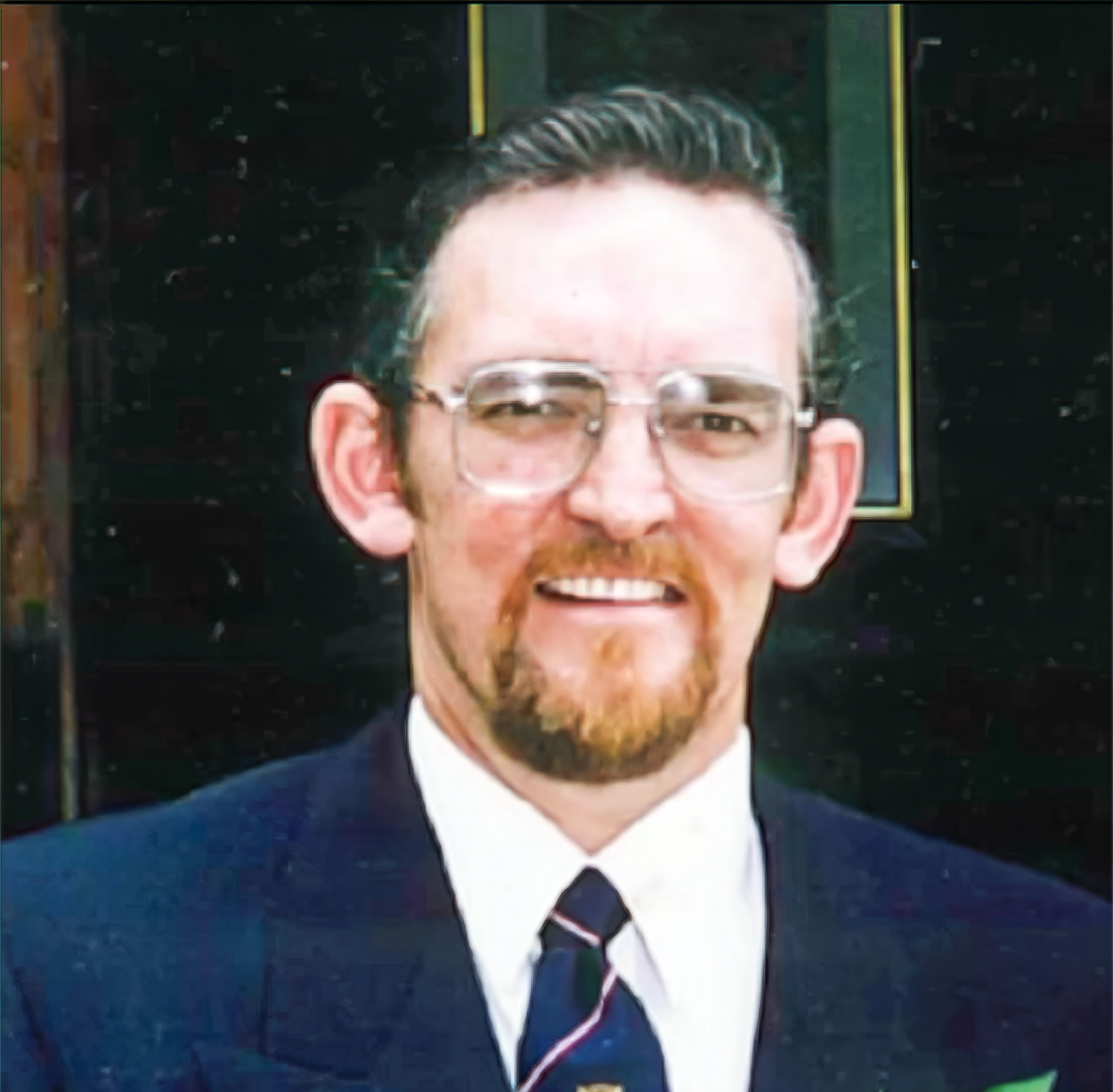
Some of Alan Deacon’s fondest memories of his dad Billy are of playing football together as a young boy in Shetland.
Football meant time with dad. Billy played for the local village team, as he had for the ships he served aboard in the Royal Navy. “I used to like playing football with him all the time,” Alan recalls.
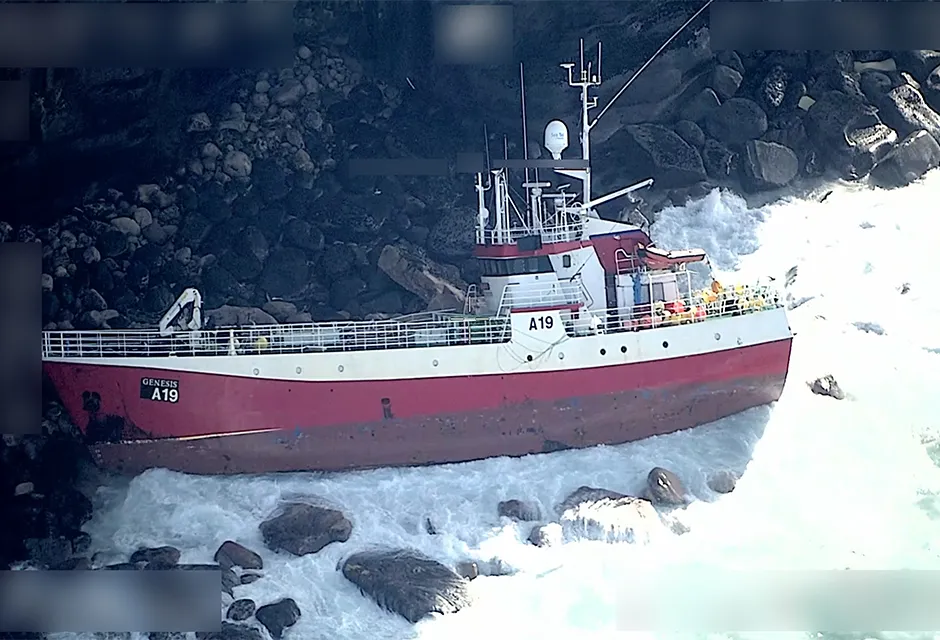
On 19 November 1997, cargo vessel Green Lily ran aground off the east coast of Bressay, Shetland, after suffering engine failure in heavy weather. All 15 aboard were saved: Lerwick’s RNLI lifeboat rescued five, while an HM Coastguard helicopter crew rescued the remaining ten.
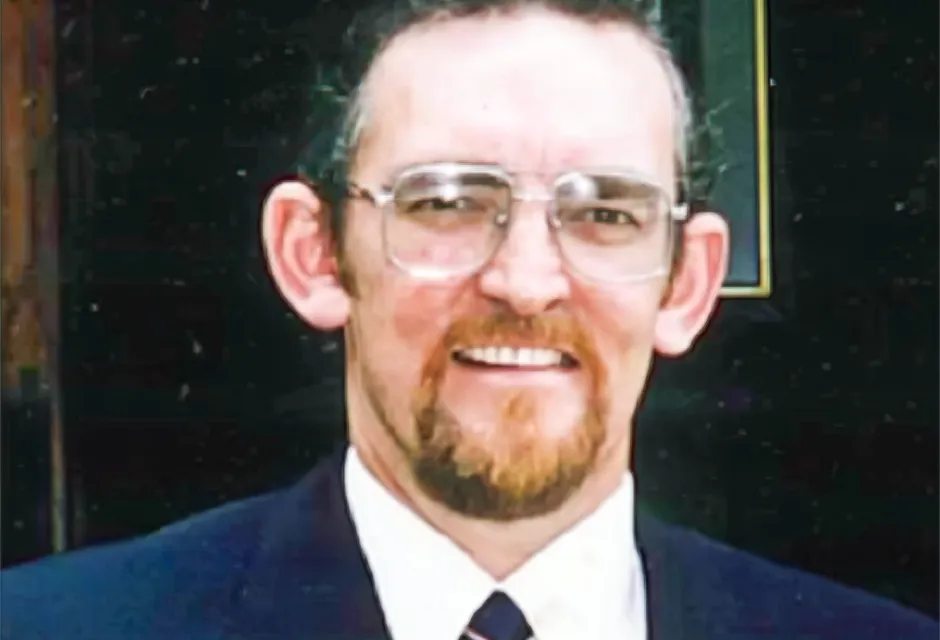
It was during that rescue that William Deacon, the helicopter’s winchman, lost his life when he was swept from the vessel in heavy seas. Twenty-nine years after Billy’s loss, his son Alan’s childhood memories offer a glimpse of the father behind that inspiring rescue: a man he remembers as kind and supportive yet strong and tough.
“So I remember him diving off of a jetty up there in the village where we were,” Alan says. “Diving down and getting crabs, lobsters and everything else.” Alan and his sister would then collect the catch in a bucket.
For Alan, it is a memory of a devoted, fun and strong Dad simply enjoying time with his children – poignant moments that have remained with him ever since, along with a powerful sense of moral duty for what’s right.
Because Alan recognises something of his father in the values both he and his own children hold today. Billy had strong morals, and it’s something Alan sees particularly in his son. “I think that’s sort of come down from dad, you know,” he says.
For Billy, a person’s contribution mattered more than their occupation. Alan remembers that his father believed that everyone contributing to society was worth talking to. “It didn’t matter whether you were a bin man or a brain surgeon, if you were making a positive difference, my dad appreciated that.”
Although Alan’s children never knew their granddad, they grew up knowing his story. When Alan’s son Riley was asked at primary school to give a presentation about his hero, he chose Billy. Perhaps not a surprise, but it caught the teacher off guard.
“His teacher realised that when Riley was telling his story, it was entirely real, and she almost burst into tears,” says Alan. “She wasn’t the only one – I found it very emotional too.”
But had he been there, the heroic man from Riley’s story wouldn’t have been so admiring. As Alan remembers, Billy was quiet and self-effacing.
It’s why so many friends on his favourite Golf course at Ellon were shocked by the news – they hadn’t realised that the brave winchman lost while saving ten lives at sea was the same unassuming man they’d been playing nine holes with just weeks before.
“They just knew he did something to do with helicopters...,” Alan says. For the family, it was simply dad’s job. But it helped shape Alan’s future, as he followed his father into the Royal Navy to become an aircraft engineer.
Alan had been serving in the Navy when the news of his father’s loss at sea came through, and his immediate thought had been to get home to his mother. "It was just a massive shock,” he recalls.
“I just needed to get home to support my mum. When I left for home, dad was lost, and when I got home, he’d been found.”
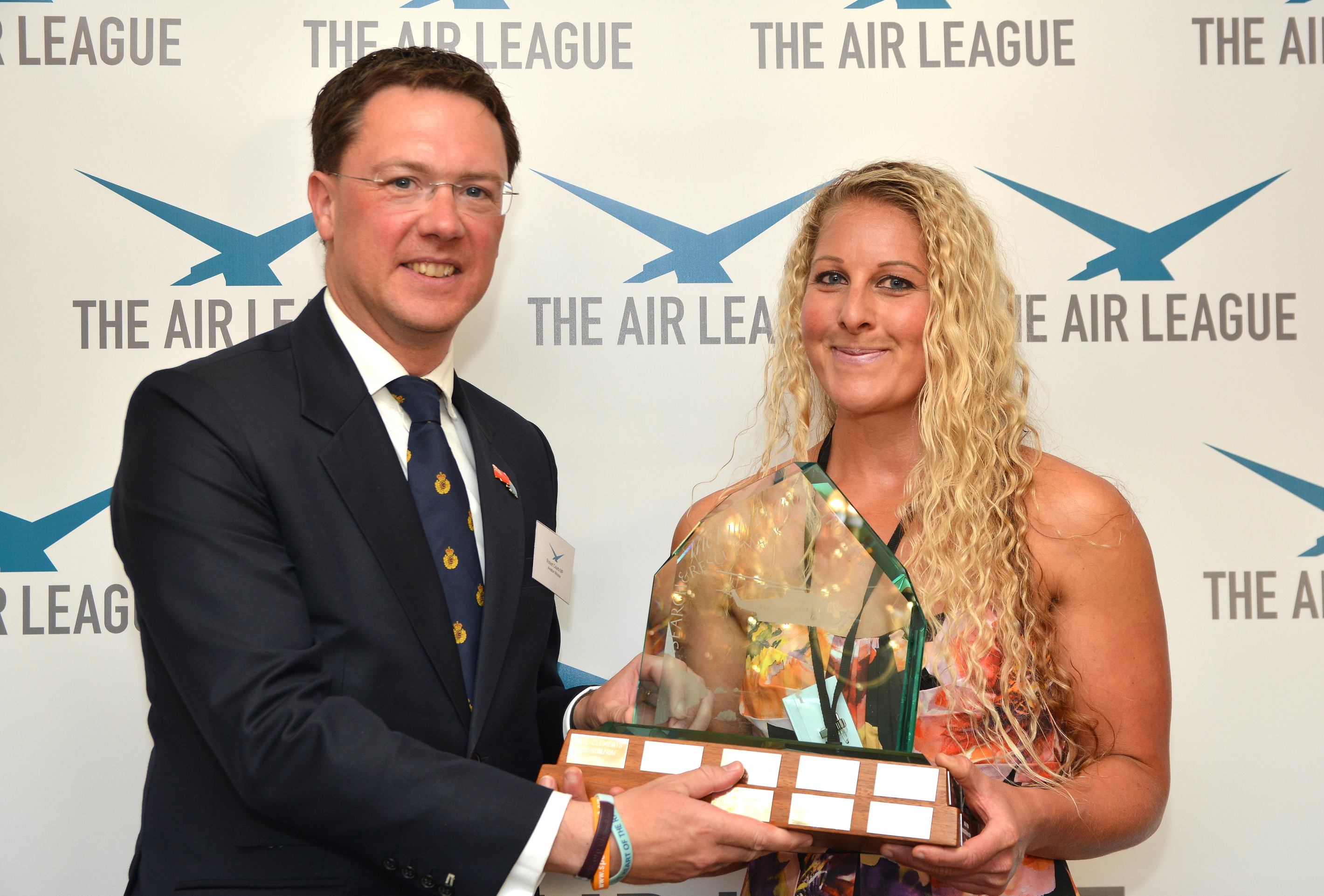
In the years since, the Billy Deacon Memorial Award has helped keep his father’s memory alive, both within the family and in the wider search and rescue community. Alan says its significance has become clearer with time.
“At the time we wondered how an award could ever further my dad’s memory. But as the years have passed by, that is exactly what it’s done.”
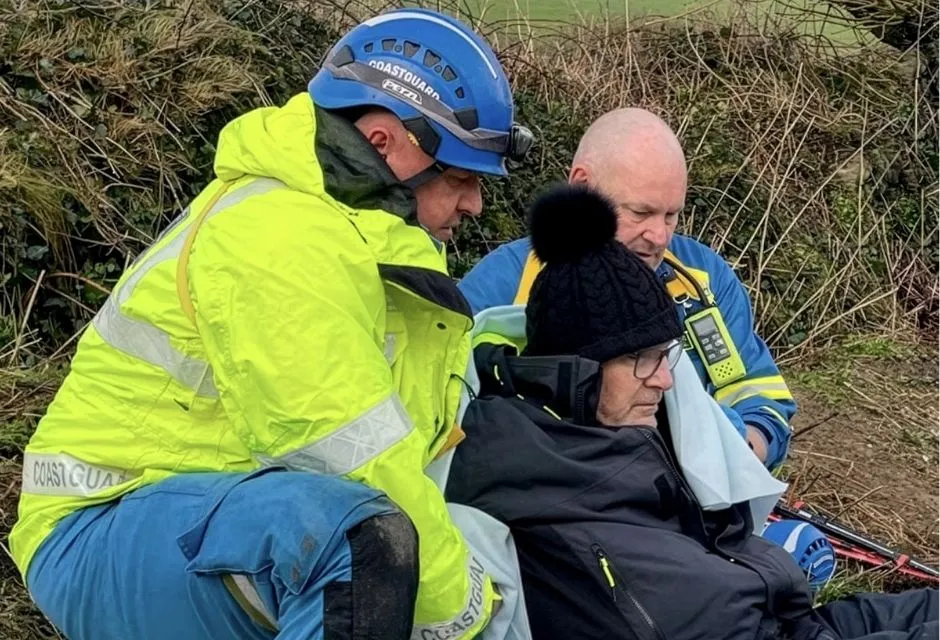
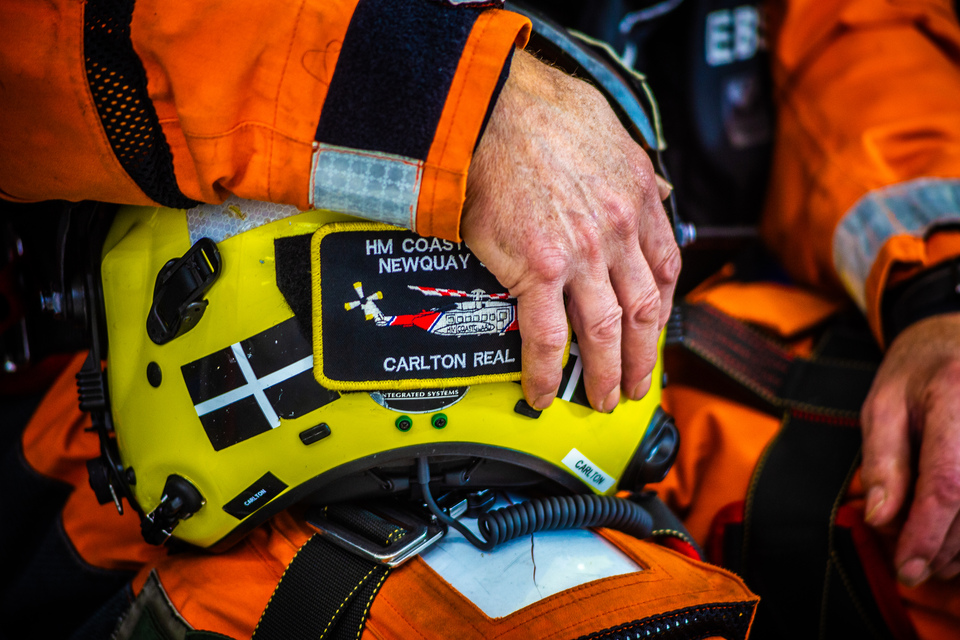
Alan also reflects on improvements in helicopter hoists and the systems used to search for people at sea, in particular a crucial direct radio link now in place between helicopter winch paramedics and crew – something that would have been a huge improvement during Billy’s time on board.
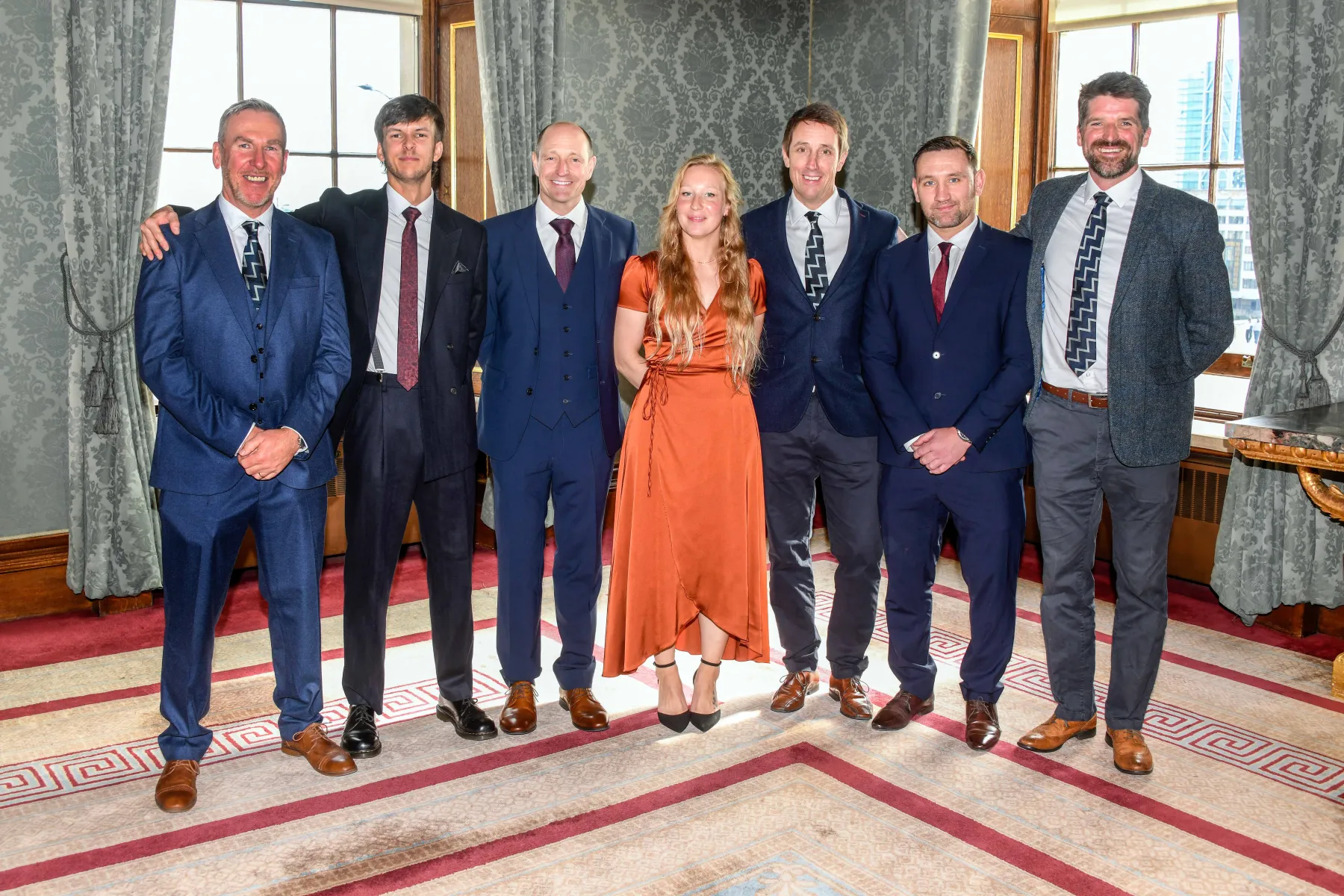
At each year’s award presentations, Alan remembers his father and hears rescue stories that can bring tears to his eyes. His admiration comes with a deeply personal concern about the risks the recipients face each day.
“Despite new technologies, there’s always going to be a need for humans to make dynamic risk assessments,” he says. “I do feel slightly conflicted sometimes, because it's a fine line and search and rescue personnel are assessing all the time. Can we make this rescue? Can we not?”
Loss shapes both Alan’s concern and his appreciation for those who do this work. Almost three decades later, the award remembers his father and recognises others who help people in danger.
He adds: “There have been some incredible rescues; winchmen swimming into caves to make rescues or lowering themselves onto yachts disintegrating under their feet. These things are worth celebrating and dad’s award does that, which is fantastic.”
But beyond the award, Billy lives on in more personal ways for his son: through sun-soaked memories of football kick-a-bouts, buckets and crabs on a Shetland jetty, and an enduring legacy of bravery and compassion that Alan now sees in the selfless acts of others.